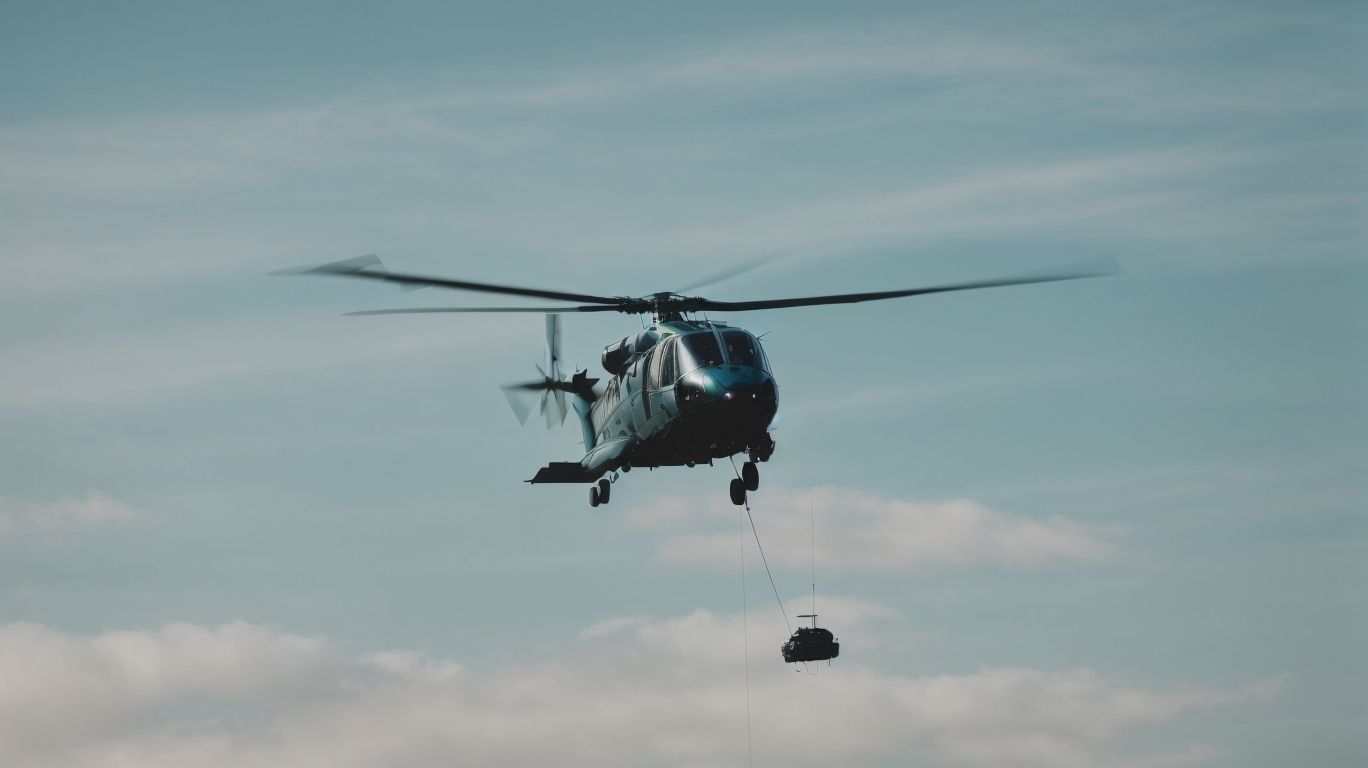
Yes, on the right route with the right group size, flying private genuinely can work out cheaper per person than business or first class. Answering the question is it cheaper to fly private with a group UK? The threshold tends to land somewhere around six passengers for short European routes, eight for transatlantic, and as few as four for shorter UK and Channel hops. Once you factor in the time saved, the lounge-and-FBO advantage, and the absence of connecting flights, the calculation often tips earlier than people expect.
That’s the headline. But the per-person price is only one part of the answer, and most online articles dodge the actual numbers. So let me walk through three real UK examples — a corporate group, a family on holiday, and a wedding party — and you can see where the maths actually lands.
How charter pricing works (the bit nobody explains clearly)
A private jet charter is priced by the flight, not by the seat. That’s the single most important thing to understand.
You charter the whole aircraft. Whether you fly one passenger or eight, the headline cost is roughly the same. The pricing is built up from a handful of components:
Hourly rate for the aircraft — anywhere from £2,000 for a light turboprop to £8,500 for a heavy jet
Repositioning fees — if the aircraft has to fly empty to pick you up, you pay for that flight time too
Landing fees, handling fees and FBO charges — typically £500–£2,500 per leg depending on airport
Catering, ground transport, de-icing, customs — billed separately, usually a few hundred pounds combined
What that means in practice is that the per-person cost drops in a straight line as your group grows. A £15,000 charter costs £15,000 for one passenger and £15,000 for eight passengers. So the per-person cost falls from £15,000 to £1,875.
Compare that to commercial pricing, where a return business class ticket costs roughly the same whether you book one or eight. The cost scales linearly with seats. This is where the break-even point comes from.
Example one: corporate team, London to Geneva for a finance meeting
A team of six flying London to Geneva on a Monday morning for a day of meetings, returning Tuesday afternoon. Standard corporate use case.
Option A: Business class commercial
British Airways London Heathrow to Geneva, return business class, midweek booking made two weeks ahead — around £1,250 per person. For six passengers, £7,500.
Add airport parking (Heathrow Terminal 5, two days), the time cost of arriving 90 minutes before departure each way, the central-Geneva-to-airport taxi at each end, and the lost productivity of six executives all waiting in airport lounges. Conservative estimate of the real total: £8,500 once you’ve added two-day parking, taxis and three or four meals that wouldn’t otherwise have been bought.
Option B: Private jet charter, Farnborough to Geneva
A Phenom 300 (seven seats, comfortable for six adults with hand luggage), Farnborough to Geneva and return — around £24,000 round-trip including handling and repositioning.
Per person: £4,000.
The maths: private costs roughly 3× the commercial option in absolute terms. But that’s not the real comparison.
What private buys for six executives:
Departure from Farnborough instead of Heathrow (smaller, faster through, no security queues)
90 minutes saved at each end on check-in and arrival
No connection risk (you fly when you’re ready)
Confidential cabin for discussion during the flight
Onward ground transport coordinated from the FBO
If the team’s six executives bill at £400 an hour each — a conservative figure for a senior corporate team — the four hours saved across the round trip is worth £9,600 in productive time recovered. That alone closes the gap to commercial. The privacy and reliability arguments don’t even enter the calculation.
For a finance team specifically — investment banking, M&A advisory, private equity — where the day’s meetings might determine whether a £200m deal goes ahead, the £16,000 differential vs commercial is functionally a rounding error.
Verdict: not cheaper per person than business class on raw ticket price, but the broader maths usually tips for groups of six or more on corporate routes.
Example two: family holiday, six people, London to Ibiza in July
A family of six (two adults, four older children) flying London to Ibiza for a summer week. Booked four weeks ahead. Peak July.
Option A: Premium economy commercial
British Airways London Gatwick to Ibiza, premium economy return, six passengers in peak July booked four weeks out — around £680 per person. Total £4,080.
Add airport parking, the long check-in queues at Gatwick in July, the inevitable airline meals nobody eats, and the time tax of arriving at an Ibiza apartment exhausted at 11pm rather than relaxed at 7pm. The real comparable cost is around £4,500.
Option B: Private jet charter, Farnborough to Ibiza
A Citation Latitude (nine seats, comfortable for six with substantial luggage) — Farnborough to Ibiza one-way around £19,500. The family flies back the same way the following week — £19,500 return, so £39,000 round-trip.
Per person across the family: £6,500 each.
The maths: private is roughly 9× the premium economy cost. The gap is much wider than the corporate Geneva example because (a) the route is short enough that premium economy is genuinely fine, and (b) you can’t claim back productive hours from a family on holiday.
Verdict: for a family of six on a leisure route, the maths doesn’t add up. Premium economy is the right answer.
Where it does work for families: peak Christmas / Easter / July when family business class fares spike, or when the alternative involves a connecting flight (Mallorca, Mykonos and Santorini are common examples). For these routes the commercial premium can rise enough to close the gap.
Example three: wedding party, twelve people, Birmingham to Faro
A wedding party of twelve flying Birmingham to Faro for a destination wedding. Single one-way charter, returning separately by commercial flight in different groupings depending on guests’ schedules.
Option A: Premium economy commercial
Birmingham to Faro return on TUI or Jet2, twelve passengers booked six weeks ahead — around £450 per person return, £5,400 total. But this charter scenario is for the wedding party only flying out together; on the return they fly back individually, which doesn’t bundle. So really the question is the one-way leg out as a group.
One-way premium economy Birmingham to Faro for 12 — around £350 per person, £4,200 total.
Option B: Private jet charter, Birmingham to Faro
A Cessna Citation XLS (nine seats, can be tight with luggage for 12 — likely need to charter an Embraer Legacy or similar). Let’s price an Embraer Legacy 650 (13–14 seats): Birmingham to Faro one-way around £24,500.
Per person: £2,040.
The maths: private is roughly 6× the commercial cost per person on a one-way leg. But this is where wedding-specific dynamics come in.
What private buys for a wedding party:
All twelve arrive together (no separate flight connections, no risk of half the party missing a wedding)
Onboard catering and toast options (you can serve champagne in flight as part of the journey)
Departure from a less stressful FBO at Birmingham International, not the main commercial terminal
No two-hour security queues with twelve people and their luggage
A faster arrival at the wedding venue — the difference between everyone enjoying a relaxed evening at the resort or arriving frazzled at 1am
For a wedding budget of £80,000 to £150,000 (a typical UK destination wedding budget for twelve guests over four nights), the additional £20,000 for chartered group travel adds 15–25% to the total cost — meaningful but not catastrophic if the wedding party prioritises the experience.
Verdict: not cheaper, but the calculation often goes private if the wedding is a high-budget event where coordinated arrival matters more than ticket cost.
When does it actually break even per person?
For most UK and European routes, the per-person cost of a private charter drops below business class at these approximate group sizes:
Short UK and near-European hops (London to Geneva, Birmingham to Faro, Manchester to Madrid) — break-even around 6–8 passengers on the right aircraft
Mediterranean leisure routes (London to Ibiza, Mykonos, Athens) — break-even around 7–9 passengers
Transatlantic to US east coast (London to Boston, New York) — break-even around 8–10 passengers on a Challenger or Falcon
Mid-range Europe to Middle East (London to Dubai, Doha) — break-even around 9–10 passengers on an ultra-long-range aircraft
Routes requiring a commercial connection (Channel Islands, Isle of Man, regional European destinations) — break-even can come as low as 3–4 passengers because the commercial alternative involves a multi-leg journey
The break-even shifts when you factor in things like time saved (corporate), missed connection risk (event travel), or routes the airlines don’t directly serve.
Three honest tips for groups considering chartering
Don’t underbook the aircraft. A common mistake is choosing the smallest aircraft that fits the headcount. Twelve people on a 13-seat jet with overflowing luggage isn’t comfortable. A 13- or 14-seat aircraft for ten passengers tends to be the right balance.
Look at empty leg options. If you’re flexible on dates and times, empty legs (where an aircraft is repositioning anyway) can drop the price by 40–75% versus a standard charter. For groups especially, this can shift the maths dramatically.
Get quotes from multiple aircraft types. A Citation XLS is roughly 30% cheaper per hour than a Hawker 900XP for the same route, but the cabin difference matters for groups. We typically quote 2–3 aircraft options for any group brief so the customer can see the trade-offs.
Frequently asked questions
Is flying private always more expensive than business class? Not always. For groups of six or more on European routes, the per-person cost can drop below business class — particularly during peak season when commercial premium fares spike. For long-haul flights to the US or Middle East, break-even tends to come at eight or nine passengers.
How much does it cost to charter a private jet for a group? Indicative UK pricing in 2026: a light jet (six to eight seats) for a short European hop costs £15,000–£25,000 round-trip. A mid-size jet (eight to ten seats) for Mediterranean routes costs £25,000–£40,000 round-trip. A heavy jet (ten to twelve seats) for transatlantic charter costs £75,000–£120,000 round-trip.
Does the per-person cost drop linearly with group size? Yes, more or less. A charter is priced by the aircraft, not the seat. So a £24,000 round-trip costs £24,000 whether one or eight passengers fly. The per-person cost drops in a straight line: £24,000 for one, £4,000 for six, £3,000 for eight.
Are there any hidden costs in private jet charter? The main billable extras are catering, ground transport, de-icing in winter, runway lights for late departures, and customs charges at smaller airfields. These typically add £500–£1,500 to a charter, and a reputable broker will surface them all in the initial quote rather than after booking.
What’s the most cost-effective aircraft for a group of six to eight? For short European hops, a Phenom 300 (seven seats) or Citation CJ4 (eight seats) typically offers the best balance of cost and capacity. For longer routes or larger luggage requirements, a Citation XLS or Hawker 800XP. The right aircraft depends on the specific route, luggage, and how much cabin space the group needs.
If you’d like to discuss whether air taxi is the right choice for a specific route, our team is available 24/7 on +44 (0)333 366 0965, or take a look at Aerovest’s Air Taxi service for more on how it works.
Arabella Wyndham is our passionate writer at Aerovest, covering the operational, regulatory and commercial side of UK and European business jet travel. She loves writing about the parts of private aviation that aren’t usually explained well.
An air taxi service is on-demand light aircraft charter on a small aircraft — typically a turboprop or light jet seating four to eight passengers — between regional airports the major airlines don’t serve. In the UK, air taxi covers everything from a King Air hop from Wolverhampton to Jersey to a Pilatus PC-12 charter from Oxford to the Isle of Man. It sits between two worlds: faster, more flexible and more direct than a connecting commercial flight, and cheaper, smaller and able to reach more airfields than a heavy private jet.
If you’ve never used one, the simplest way to think about it is exactly what the name suggests. You ring up, you say where you want to go and when, and a small aircraft turns up to take you. No security queues, no two-hour check-in window, no scheduled timetable to fit around. Just like a taxi, but with wings.
Whether it’s the right choice depends on a handful of factors, most of which come down to how far you’re going, how many people are with you, and whether your destination is somewhere a commercial airline actually flies.
How an air taxi differs from a “proper” private jet
The technical distinction is mostly about aircraft size. A private jet charter typically means a Citation, Phenom, Hawker, Falcon, Challenger or Gulfstream — purpose-built business jets that fly fast, fly high, and cost anywhere from £4,500 for a short hop to £85,000 for a transatlantic crossing.
An air taxi typically means something smaller. The workhorses of UK air taxi are:
Beechcraft King Air 200 / 350 — twin-turboprop, six to nine seats, cruises at around 300 knots, range of around 1,500 miles. Reliable, economical, can land at airfields with surprisingly short runways.
Pilatus PC-12 — single-engine turboprop, popular because it’s quick, can carry up to nine passengers, and operates from grass strips if needed. About 320 knots and 1,800 miles range.
Cessna Citation Mustang or M2 — very light jets seating four to five, cruise faster than a turboprop (around 400 knots) but with shorter range. Useful when speed matters and the route is short.
Piper Cheyenne or Piper Meridian — older turboprops still used by some operators for budget-conscious charter.
You’ll occasionally see the term “very light jet” or “VLJ” used interchangeably with air taxi — that’s specifically the Cessna Mustang / Eclipse 500 / HondaJet category, jets small enough to be flown single-pilot but still a step up in speed from a turboprop.
The practical difference for a passenger is that turboprops feel a bit more agricultural than a Citation XLS. You can hear the engines, the climb is slower, and the cabin doesn’t have the polished walnut and leather of a heavy jet. But the aircraft are perfectly capable, often newer than people expect, and on routes under 600 miles the journey time is almost identical to a faster jet because the climb and descent dominate over cruise.
Where air taxi makes more sense than a private jet
This is the part most articles get wrong. Air taxi isn’t a downgrade from a private jet — it’s a different tool for a different job. Three scenarios where air taxi is genuinely the better choice:
Short routes where speed of arrival is the priority.Private Jet Charter from Birmingham to the Channel Islands. Manchester to the Isle of Man. London to Newcastle. Oxford to Inverness. On routes under 90 minutes flight time, a turboprop arrives within five or ten minutes of what a jet would do, and costs roughly half as much. You’re paying jet money for the same arrival time.
Destinations bigger jets can’t reach efficiently. Many UK regional airfields — Compton Abbas, Sherburn-in-Elmet, Wolverhampton Halfpenny Green, Goodwood — have runways too short, terminal facilities too small, or operating restrictions that rule out larger aircraft. A King Air or PC-12 lands at most of them comfortably. Hebridean island hops, north Wales coastal airfields, Isle of Man and Channel Islands all favour smaller aircraft.
Smaller passenger groups on regional routes. Flying two or three people from London to Aberdeen on a heavy jet means you’re paying for empty seats and crew you don’t need. A King Air takes the same two or three people at meaningful savings, with no compromise on the experience for that passenger count.
There’s also a category of clients who use air taxi as a regular commuting tool — owners of country residences in Devon, Cornwall, Norfolk, the Highlands or the islands, who’d otherwise spend most of a working day on rail and car. For these clients, a 90-minute flight in a turboprop replaces a five-hour door-to-door commercial alternative.
Where a “proper” private jet is the better call
To be honest about it: not every charter is suited to air taxi.
Anything longer than around 600 miles generally favours a jet. Air taxi aircraft cruise slower and lower, which means a long-range flight takes meaningfully more time and the cabin gets uncomfortable on flights over three hours. A London-Geneva run on a Phenom 300 takes around 90 minutes; on a King Air, more like 2 hours 45.
Groups of five or more passengers with significant luggage start to crowd a King Air or PC-12. The aircraft have the seat count, but baggage hold capacity is the constraint. A weekend group with golf clubs or skis will be more comfortable on a Citation XLS.
Transatlantic, transcontinental or any long-haul international is jet territory. Air taxi aircraft aren’t built for it, and even if they could fly the distance, you wouldn’t want them to.
Where image and presentation matter — events, sponsor travel, sports team movements, music tours — clients typically choose larger aircraft. There’s nothing wrong with arriving at Cheltenham Festival in a King Air, but if the event involves photography or guest entertainment, the larger cabin and visual impression of a heavy jet usually win out.
What it actually costs in the UK
Pricing for air taxi in the UK in 2026 sits roughly in these bands:
Light turboprop (King Air, PC-12) — £2,000 to £2,500 per flight hour
Very light jet (Cessna Mustang, HondaJet) — £2,500 to £3,200 per flight hour
Cabin-class twin (King Air 350, larger PC-12 NGX) — £2,500 to £3,000 per flight hour
For a short hop, expect a minimum charge of around £3,500 to £4,500 even on the shortest routes — you’re paying for the aircraft positioning, crew time and fuel regardless of how brief the actual flight.
A few real-world examples to ground the numbers:
Birmingham to Jersey on a King Air 200 — around £4,500 one-way, flight time about 75 minutes
Manchester to Isle of Man on a King Air 350 — around £4,200 one-way, flight time about 35 minutes
London Oxford to Inverness on a PC-12 — around £6,500 one-way, flight time about 2 hours
Cambridge to Edinburgh on a Citation Mustang — around £5,500 one-way, flight time about 80 minutes
Exeter to Channel Islands on a King Air 200 — around £3,800 one-way, flight time about 40 minutes
These prices look high until you compare them to the alternative. The Birmingham-to-Jersey example: a family of four arriving by air taxi pays roughly £4,500 for the entire flight. The same family on a commercial route (which usually involves a connection through Gatwick or Southampton) costs around £1,400 in tickets plus a day and a half of travel time, plus parking, plus airport hassle. Once two people are travelling, air taxi often closes the gap. With three or four, it can be cheaper outright.
The airfields air taxi opens up
A useful way to think about why air taxi exists is to look at the map. There are around 100 licensed UK airfields that handle commercial private aviation. Major airlines fly to perhaps 25 of them. Air taxi opens up the other 75.
Some examples of UK airfields routinely used by air taxi but rarely by jet charter:
Wolverhampton Halfpenny Green — light aircraft only, useful for the West Midlands
Cotswold Airport (Kemble) — light jet and turboprop, central to the Cotswolds
Compton Abbas — Dorset grass airfield, gateway to the south-west
Sherburn-in-Elmet — east of Leeds, good for York and the Dales
Tollerton (Nottingham City) — light aircraft only, very close to central Nottingham
Goodwood Aerodrome — West Sussex, the gateway to the Festival of Speed and Goodwood Revival
Hawarden (Chester) — accepts air taxi when Airbus’s manufacturing schedule allows
Newquay — handles light aircraft well, Cornwall’s main aviation gateway
Inverness Dalcross — Highlands gateway, key to estate sporting season
The takeaway is that air taxi gets you significantly closer to where you actually want to be. A jet might land you at Manchester. An air taxi lands you 15 minutes from the country house in the Dales.
What to ask before booking
If you’ve never used an air taxi service before, three sensible questions to ask the broker or operator quoting you:
What aircraft is on offer, and is the operator independently safety-audited? Reputable air taxi operators in the UK hold an Air Operator Certificate from the Civil Aviation Authority, and many also hold independent audits against ARGUS, Wyvern or IS-BAO standards — the same audits used for heavier jet operators. We’ve written separately about what those audits actually mean.
What’s included in the price, and what’s billable separately? Catering, ground transport, de-icing in winter, runway lights for late departures, customs at smaller airfields — these can add a few hundred pounds each and sometimes aren’t bundled into the headline quote.
Where can I actually depart from? This is the conversation that usually opens up the real benefit of air taxi. If you’ve assumed you need to drive to Birmingham, you might find a charter from Wolverhampton or a nearer regional strip saves you an hour each way.
Frequently asked questions
What’s the difference between an air taxi and a private jet? An air taxi is on-demand charter on smaller aircraft (turboprops or very light jets, typically four to nine seats), used for shorter regional routes. A private jet is the broader term for any business-aviation aircraft, but in practice usually refers to larger purpose-built jets — Citation, Phenom, Hawker, Falcon, Challenger and Gulfstream — used for longer routes and larger groups.
How much does an air taxi cost in the UK? UK air taxi prices typically start from around £3,500 to £4,500 for a short flight, with hourly rates of £2,000 to £3,200 depending on the aircraft. Routes under 90 minutes are usually the most cost-effective compared to a private jet.
Is air taxi safer than commercial flying? Both commercial aviation and properly regulated charter operations have excellent safety records. UK air taxi operators must hold an Air Operator Certificate from the Civil Aviation Authority and are typically audited additionally against ARGUS, Wyvern or IS-BAO standards. The right question isn’t “is it safer than commercial” but “is the operator independently audited and credentialed” — which a reputable broker will confirm for every booking.
Can air taxi land at smaller airfields? Yes — that’s largely the point. Turboprops like the King Air and PC-12 can operate from runways as short as 750 metres, opening up around 100 UK airfields versus the 25 or so served by commercial airlines.
How many people can fit on an air taxi? Most popular UK air taxi aircraft seat four to nine passengers. A King Air 200 or PC-12 holds up to nine; a Citation Mustang or HondaJet holds four to five. For larger groups, the aircraft moves into mid-sized jet territory.
If you’d like to discuss whether air taxi is the right choice for a specific route, our team is available 24/7 on +44 (0)333 366 0965, or take a look at Aerovest’s Air Taxi service for more on how it works.
Arabella Wyndham is our passionate writer at Aerovest, covering the operational, regulatory and commercial side of UK and European business jet travel. She loves writing about the parts of private aviation that aren’t usually explained well.
Farnborough is the busiest dedicated business aviation airport in Europe and the default for international charter into London. Luton offers the highest movement volume but shares its runway with significant commercial traffic. Biggin Hill is south-east of London with no commercial conflicts and faster customs clearance. Each suits a different combination of route, aircraft size and client priority. The honest answer to which is “best” depends on where you’re flying from, where you’re going afterwards, and what compromises you’re willing to make on price, drive time and slot availability.
That’s the headline. London’s private jet market also includes Stansted, RAF Northolt and London City Airport, but these three — Farnborough, Luton and Biggin Hill — handle the bulk of charter movements, and they’re the three most clients end up choosing between.
This is the comparison written for someone actually about to book a charter, not the marketing version every airport’s own website gives you.
The five-second verdict
For most international charter into London, Farnborough is the strongest default. Long runway, full 24/7 operations, dedicated business aviation only, and the deepest FBO infrastructure in Europe. The downsides are the drive time to central London (50–75 minutes) and price — Farnborough is the most expensive of the three on landing and handling fees.
If your priority is proximity to north London or the M1 corridor, or you’re flying to or from European destinations on routes Luton operators serve well, Luton wins on drive time. The trade-off is sharing the airport with a substantial commercial Wizz Air and easyJet operation, which can mean slot delays at peak times.
For clients south of the Thames, in Kent, Surrey, Sussex, or with onward travel to the south coast or continental Europe, Biggin Hill is often the better choice. No commercial traffic, faster customs in practice, and a meaningfully shorter drive for clients south of the river.
The detail below explains why.
Farnborough — the European default for serious business aviation
Farnborough Airport, 35 miles south-west of central London, is purpose-built for business aviation. There are no commercial passenger flights, no scheduled airline traffic, no slot conflicts with budget airlines. Every movement is private — typically a corporate jet, charter aircraft or owner-operator flight.
The airport’s runway is 2,440 metres long, which accommodates every aircraft size up to ultra-long-range Gulfstream G650 and Bombardier Global 7500 without performance compromise. Unlike some London airports, Farnborough handles transatlantic departures with full fuel loads — meaning a London to New York or London to Los Angeles flight doesn’t need a refuelling stop.
Two FBOs operate at Farnborough. Signature TAG Farnborough provides full handling at the main terminal — fast Border Force, customs, ground transport coordination, and crew rest facilities. The Farnborough Airport-owned terminal is a newer alternative offering similar services with slightly different operator preferences. In practice, your broker or operator will direct you to whichever has slot availability for your departure or arrival.
Border Force coverage runs 24/7 at Farnborough, which matters more than people realise. International arrivals are typically cleared in under 10 minutes from aircraft door to ground transport — significantly faster than Luton at peak times, where business aviation passengers occasionally queue behind commercial Border Force operations.
Drive time to central London is the standout downside. From Farnborough to Mayfair or The City, expect 50 to 75 minutes by car depending on the M3 and M25 traffic. From Farnborough to Knightsbridge or Westminster, similar. For clients who care about minimising airport-to-meeting time, Farnborough is the slowest of the three options. Helicopter transfer to The London Heliport at Battersea reduces this to around 15 minutes flying time, plus 5 minutes from heliport to Mayfair — total roughly 30 minutes door to door, but at meaningful cost (typically £3,200–£3,500 per leg for the helicopter).
Pricing at Farnborough is the highest of the three on landing and handling fees, generally by 20–35%. For most clients this is a small percentage of the total charter cost and not a determining factor.
Luton — the highest-volume choice with commercial trade-offs
London Luton, 28 miles north of central London, handles more private jet movements than any other UK airport. The volume is partly because Luton is convenient — it’s closer to London than Farnborough, there are multiple FBOs, and operators based there are competitive on pricing — and partly historical, since Luton has been a major London charter hub for decades.
The runway is 2,162 metres, accommodating every aircraft size up to ultra-long-range. Heavy jets, BBJs and ACJs operate from Luton routinely.
Luton’s defining characteristic is that it’s a fully commercial airport as well as a private aviation hub. Wizz Air and easyJet operate substantial scheduled operations from Luton, particularly during peak summer and winter holiday seasons. This creates two practical trade-offs.
First, slot allocation can tighten during peak periods. While business aviation has dedicated handling and is rarely turned away, departure timings can be affected by commercial traffic queues. For non-time-critical departures this is a non-issue. For executives needing to depart at a precise time during a busy summer Saturday, Farnborough or Biggin Hill may be more reliable.
Second, ground experience is shaped by commercial volume. The two main FBOs at Luton — Harrods Aviation and Signature — both run dedicated business aviation terminals separate from the main commercial terminal, which keeps the experience private. But the route into and out of the airport, and Border Force at peak times, can occasionally feel like a commercial airport in a way Farnborough never does.
Drive time to central London is around 45–60 minutes via the M1, depending on traffic. Luton has good public transport links to St Pancras (Thameslink train, around 25 minutes from Luton Airport Parkway), though this matters less for charter clients than for commercial passengers.
Pricing at Luton is generally the most competitive of the three for similar aircraft and route combinations. For frequent business travel where cost matters, Luton’s pricing advantage adds up over the year.
Biggin Hill — the south London answer
London Biggin Hill, in the London Borough of Bromley about 14 miles south-east of central London, is dedicated business aviation only. No commercial flights, no scheduled traffic, no slot conflicts. The airport’s heritage as a Battle of Britain RAF station gives it a distinctive character, but the modern operation is squarely focused on business and charter aviation.
The runway is 1,802 metres — shorter than Farnborough or Luton. This accommodates light, mid-sized and most heavy jets including the Gulfstream G550 and Falcon 7X, but ultra-long-range aircraft like the G650 and Global 7500 typically prefer the longer runways at Farnborough or Luton for full-fuel transatlantic departures. For European and most international routes, Biggin Hill is operationally fine.
The airport has invested heavily in its FBO infrastructure over the last decade. Signature Aviation operates the main FBO. Border Force coverage is available 24/7 with notice and, in practice, often clears international arrivals faster than either Luton or Farnborough simply because the airport is smaller and movements are fewer.
Drive time is the most variable of the three depending on starting location. From central London, Biggin Hill is 40–60 minutes via the A21 — comparable to Luton on a good day, and often faster than Farnborough. The real advantage shows for clients south of the Thames. From Knightsbridge or Mayfair, drive times are similar to Luton; from Southwark, Bermondsey or Canary Wharf, Biggin Hill is meaningfully closer. From Kent, Surrey, Sussex or south-coast residences, Biggin Hill is the obvious choice.
Pricing at Biggin Hill is roughly midway between Luton and Farnborough. The airport’s investment in service has positioned it as a premium product without quite reaching Farnborough’s price point.
Side-by-side comparison
Factor
Farnborough
Luton
Biggin Hill
Distance from central London
35 miles SW
28 miles N
14 miles SE
Drive time to Mayfair
50–75 min
45–60 min
40–60 min
Runway length
2,440 m
2,162 m
1,802 m
Commercial traffic?
None
Significant
None
24/7 operation
Yes
Yes
Yes
Border Force
24/7, fast
24/7, occasional queues
24/7, fast
Best for ultra-long-range jets
✓
✓
Limited
Best for transatlantic full-fuel
✓
✓
Limited
Slot availability at peak
Reliable
Variable
Reliable
Relative pricing
Highest
Lowest
Middle
What we recommend by use case
For an international charter from the US, Asia or Middle East into London on a heavy or ultra-long-range jet — Farnborough.
For a European charter from a UK regional airport (Birmingham, Manchester, Edinburgh) heading to a London meeting where speed of arrival into central London matters and the aircraft is mid-sized — Biggin Hill or Luton, whichever sits better with the client’s onward travel.
For a time-flexible charter where pricing matters more than slot reliability — Luton.
For a client based in Kent, Sussex, Surrey or south London — Biggin Hill almost always.
For a transatlantic departure on an ultra-long-range jet at peak summer with no margin for delay — Farnborough, every time.
For a flight requiring helicopter transfer to The London Heliport at Battersea — all three offer this, but Biggin Hill is the closest in flying time (around 12 minutes vs 15–20 minutes from Farnborough, 12–15 minutes from Luton).
A note on the other London airports
Stansted handles a small volume of business aviation, primarily for ultra-large aircraft (BBJ, ACJ) where the runway length offers an advantage over Farnborough. The Diamond Hangar FBO is the main handling option. For most charter, however, Stansted is dominated by Ryanair commercial traffic and isn’t a primary choice.
RAF Northolt is the closest civilian-accessible private jet airport to central London at 30 minutes from Whitehall, but it’s a Royal Air Force base with a capped number of civilian movements per year and operating hours typically 06:30–22:30. Civilian access requires specific operator approvals and prior permission. We arrange Northolt where the route, aircraft and timing fit, but it isn’t a reliable everyday option.
London City Airport is unique among London airports for its inner-city location in Docklands. Its 5.5° steep approach restricts which aircraft can use it — only specific aircraft like the Embraer Phenom 300, Cessna Citation Latitude and a handful of others are approved by the CAA for City. For executives flying directly into the financial district, City is unmatched on speed of arrival. For most other charter, the runway and approach restrictions rule it out.
Frequently asked questions
Which London private jet airport is closest to central London? By drive time, Biggin Hill from south London (40 minutes), Luton from north London (45 minutes), and Farnborough from south-west London (50–75 minutes). RAF Northolt is closest at 30 minutes from Whitehall but has restricted civilian access. London City Airport is the only one inside the M25 but is restricted to specific aircraft types only.
Can ultra-long-range jets like the Gulfstream G650 land at all three airports? Farnborough and Luton accommodate the G650 and other ultra-long-range aircraft routinely. Biggin Hill’s shorter runway means ultra-long-range jets typically prefer Farnborough or Luton for full-fuel transatlantic departures, though G650 movements at Biggin Hill are not unheard of for shorter sectors.
Does the airport choice affect the charter price? Yes, but usually not by much. Farnborough’s landing and handling fees are typically 20–35% higher than Luton’s. On a £15,000 charter, this might be a £300–£500 difference. The aircraft and route drive most of the cost; airport choice is secondary.
Which airport has the fastest customs and Border Force? In practice, Biggin Hill and Farnborough are typically faster than Luton at peak times because they don’t share Border Force resources with commercial flights. All three operate 24/7 with prior notice.
Can I fly into Heathrow on a private jet? Heathrow accepts private jet movements but isn’t a primary business aviation airport. Slots are difficult to obtain, the FBO infrastructure is limited, and pricing reflects Heathrow’s commercial premium. Most clients flying into London on a private jet route through Farnborough, Luton or Biggin Hill instead.nd the regulator’s periodic audit. For most clients, the simplest and safest approach is to use a broker who maintains a vetted network and rejects unrated or low-rated operators on the customer’s behalf.
If you’d like to discuss which airport suits your specific route or schedule, our team is available 24/7 on +44 (0)333 366 0965, or use the instant quote tool on our homepage.
Arabella Wyndham is our passionate writer at Aerovest, covering the operational, regulatory and commercial side of UK and European business jet travel. She loves writing about the parts of private aviation that aren’t usually explained well.
ARGUS, Wyvern and IS-BAO are the three independently audited safety standards used in private jet operation worldwide. ARGUS rates operators Gold, Gold Plus or Platinum based on safety records and on-site audits. Wyvern’s highest rating is Wingman, awarded after a deeper operational audit. IS-BAO is the International Business Aviation Council’s three-stage standard, with Stage 3 the most thorough. Together, these three ratings are the real mechanism that separates a credible private jet operator from one that simply holds the right paperwork.
That’s the headline. The detail matters because the differences between these ratings — and the difference between an operator that holds them versus one that doesn’t — is the single most important quality signal in the entire industry. More important than fleet age, more important than livery, more important than how the website looks.
Why these ratings exist
Holding an Air Operator Certificate (AOC) from the UK Civil Aviation Authority — or any equivalent national regulator — is the legal minimum to fly paying passengers. It is not, on its own, a safety guarantee. AOC holders vary enormously in operational rigour, maintenance discipline, pilot training depth and safety culture. A regulator’s audit is periodic and largely paperwork-based. It cannot tell you what the operator is doing on a Wednesday afternoon when nobody from the CAA is watching.
ARGUS, Wyvern and IS-BAO emerged as private-sector responses to this gap. Each is run by an independent body that audits operators against published standards, awards a rating, and re-audits at fixed intervals to maintain it. Operators pay for the audit. Brokers, corporate flight departments and informed clients then use the resulting rating as a shortcut for “this operator has been independently verified to a higher standard than the regulatory minimum.”
The ratings are not interchangeable. Each measures slightly different things, has different price points, and is preferred by different parts of the industry.
ARGUS — the most recognised rating in North America and globally
ARGUS International, headquartered in Cincinnati, runs the most widely-cited operator rating system in business aviation. ARGUS reviews operator safety records, accident history, training programmes, maintenance practices and pilot qualifications, then awards one of three tiers.
ARGUS Gold is the entry level. It confirms the operator meets ARGUS’s basic criteria for safety records, pilot experience and accident history. Awarded based on documentation review.
ARGUS Gold Plus adds an on-site audit covering operational procedures, safety management systems and maintenance practices. Roughly equivalent to Wyvern’s earlier ratings.
ARGUS Platinum is the highest tier. It requires an enhanced on-site audit conducted by ARGUS auditors who have themselves come from senior operational roles in aviation. Platinum operators must demonstrate a mature Safety Management System (SMS), strong emergency response procedures, and consistent operational discipline. Platinum is the rating used as a default by most major corporate flight departments, fractional operators (NetJets, VistaJet) and serious brokers worldwide.
ARGUS also runs the Charter Broker programme — separately certifying brokers who maintain documented operator vetting processes. ARGUS Certified Broker status is the cleanest single signal that a broker takes operator selection seriously rather than just selling whatever’s available.
Wyvern — the older, deeper audit
Wyvern is the older standard of the three, founded in 1991 and still considered by many in the industry to be the most thorough single audit available. Wyvern’s flagship rating, Wingman, requires both a documentation review and an on-site audit by a Wyvern auditor — typically a former military or commercial captain.
The Wingman audit examines pilot training depth, maintenance culture, safety management, regulatory compliance, fatigue management, and operational risk processes. It’s intensive, expensive for the operator, and accordingly held by fewer operators than ARGUS Platinum — but Wingman status is widely respected in the industry.
Wyvern also runs PASS (Pilot and Aircraft Safety Survey), a per-flight check that verifies a specific aircraft and its assigned pilots against Wyvern’s standards before a charter departs. PASS is used by some corporate flight departments as a final pre-flight verification step.
Like ARGUS, Wyvern operates a Registered Broker programme certifying brokers who maintain consistent operator screening.
IS-BAO — the global business aviation industry standard
IS-BAO (International Standard for Business Aircraft Operations) is run by the International Business Aviation Council (IBAC), based in Montreal. Where ARGUS and Wyvern are predominantly North American in origin, IS-BAO is the international industry standard, particularly strong in Europe, the Middle East and Asia.
IS-BAO operates in three stages.
Stage 1 confirms the operator has the procedures, manuals and Safety Management System in place. Documentation-led.
Stage 2 confirms those procedures are actually being applied, audited a year or two after Stage 1.
Stage 3 confirms the SMS is mature — that the operator has demonstrated continuous safety improvement, with the SMS embedded into day-to-day operations rather than sitting in a binder. Stage 3 is the highest tier and is held by the most respected international charter operators.
IS-BAO Stage 3 is the de facto standard for European operators flying corporate charter to FTSE 100 and continental DAX/CAC clients. Most major UK AOC holders that handle ad-hoc charter for serious clients hold Stage 2 or Stage 3.
Which rating means most?
There’s no single answer because the ratings measure different things. The honest hierarchy looks like this.
For an operator to be considered top-tier by serious users — corporate flight departments, fractional programmes, family offices, sophisticated brokers — they typically hold at least two of the three at the highest available level. ARGUS Platinum + IS-BAO Stage 3 is the most common combination among the operators we work with regularly. ARGUS Platinum + Wyvern Wingman is the next most common.
An operator holding only one of the three at the entry level — for example ARGUS Gold but neither Wyvern nor IS-BAO — is meeting a basic standard but not signalling exceptional rigour. Plenty of operators in this category fly safely, but the certifications alone don’t separate them from the field.
An operator holding none of the three is not necessarily unsafe — small operators with strong cultures sometimes choose not to pay for audits — but the absence of independent verification puts the burden on the broker or the customer to assess safety directly. For most clients, this is impractical.
What this means when you book a private jet
The practical translation is short. When you book a charter, you should expect the broker to be able to tell you, without hesitation:
Which audited safety ratings the operator holds
The current rating tier in each
The date of the most recent audit
A serious broker has this information on file for every operator in their network and pulls it as part of every booking. If a broker can’t produce it, or can’t explain the difference between the ratings, that’s the answer.
Aerovest is an [ARGUS Charter Broker], and we filter every operator in our network against ARGUS, Wyvern and IS-BAO standards before quoting a charter. Operators that don’t meet our minimum threshold don’t appear in the options we offer. This is part of the difference between a broker and an operator — a broker properly run is doing this filtering on the customer’s behalf, every time.
A short glossary for clients new to charter
SMS (Safety Management System): the structured approach an operator uses to identify, assess and mitigate operational risks. Required by regulators and audited by ARGUS, Wyvern and IS-BAO at varying depths.
On-site audit: an audit conducted at the operator’s base of operations, examining live procedures, maintenance practices and crew briefings. Distinguished from a desk audit, which reviews documentation only.
Recurrent audit: the re-audit performed at fixed intervals (typically every two years) to renew a rating. Without it, a rating expires.
Charter Broker certification: a separate programme run by both ARGUS and Wyvern certifying brokers themselves, not operators — verifying that the broker maintains a documented operator screening process.
Frequently asked questions
Is ARGUS Platinum better than Wyvern Wingman? Neither is universally better — they audit slightly different things with different methodologies. Many top operators hold both. The strongest signal of operational rigour is an operator holding multiple top-tier ratings simultaneously rather than choosing between them.
Does the UK CAA require operators to hold ARGUS, Wyvern or IS-BAO? No. These are voluntary, industry-led standards. UK regulatory minimum is the Air Operator Certificate. The audited ratings sit above that minimum and are paid for by the operator.
How can I check whether an operator currently holds these ratings? ARGUS, Wyvern and IBAC each maintain searchable directories of currently rated operators on their websites. A serious broker will also confirm the rating directly on enquiry.
What does it cost an operator to be audited? Costs vary by audit depth and operator size, but a full ARGUS Platinum or Wyvern Wingman audit can cost an operator £15,000–£40,000 every two years, plus the internal cost of preparing for it. The expense is part of why some smaller operators choose not to pursue the highest tiers.
Should I refuse to fly on an operator that holds none of these ratings? Not necessarily — but the absence of independent verification means you’re relying on the operator’s word and the regulator’s periodic audit. For most clients, the simplest and safest approach is to use a broker who maintains a vetted network and rejects unrated or low-rated operators on the customer’s behalf..
If you’d like to discuss safety standards in more detail, or want to confirm the ratings of the operator quoted on your next charter, our team is available 24/7 on +44 (0)333 366 0965.
Arabella Wyndham is our passionate writer at Aerovest, covering the operational, regulatory and commercial side of UK and European business jet travel. She loves writing about the parts of private aviation that aren’t usually explained well.
Are you fascinated by the idea of soaring through the skies, navigating the skies in a helicopter? Becoming a helicopter pilot is an exciting and rewarding career path that offers unique challenges and opportunities. In this comprehensive guide, we will explore what it takes to become a helicopter pilot, including the requirements, steps, skills, and job responsibilities associated with this profession. Whether you are considering a career as a helicopter pilot or simply curious about the profession, this article will provide valuable insights into the world of helicopter aviation.
Key Takeaways:
Age, education, physical fitness, and flight training are important requirements for becoming a helicopter pilot. Steps to become a helicopter pilot include research, choosing a flight school, obtaining a student pilot certificate, completing training and exams. Strong communication, decision-making, and spatial awareness skills are crucial for success as a helicopter pilot.
What Is a Helicopter Pilot?
A helicopter pilot is a skilled aviator who holds the necessary pilot licence to operate helicopters in various capacities, such as private or commercial ventures.
Helicopter pilots play a crucial role in the aviation industry, as they are responsible for the safe and efficient operation of helicopters. Their duties include conducting pre-flight inspections, planning flight routes, navigating through different airspace, and adhering to all aviation regulations and safety protocols.
To become a helicopter pilot, individuals must undergo extensive training and obtain the necessary qualifications, including a commercial helicopter pilot licence or an airline transport pilot licence. These licences require specific flight hours, written exams, and practical assessments to ensure the pilot’s proficiency in handling diverse flying conditions.
Helicopter pilots can specialise in various areas, such as aerial photography, search and rescue operations, or transportation of goods and passengers, requiring additional endorsements or certifications to fulfil their specific job requirements.
What are the requirements to become a helicopter pilot?
Becoming a helicopter pilot requires meeting specific requirements related to age, education, physical fitness, flight training, certification, and flight experience.
Regarding age, aspiring helicopter pilots must be at least 17 years old to obtain a private pilot licence, while the minimum age for a commercial licence is 18.
In terms of education, a high school diploma or equivalent is typically required, though some employers may prefer candidates with post-secondary education or a degree in aviation-related fields.
Physical fitness is another crucial aspect, as candidates need to meet the medical standards set by the aviation authorities. This involves passing a medical exam conducted by an authorised aviation medical examiner.
Flight training is essential for learning the skills required to operate a helicopter. Aspiring pilots undergo rigorous training that includes both classroom instruction and hands-on flying experience under the guidance of certified flight instructors.
Obtaining certification is a pivotal step in the journey to becoming a helicopter pilot. This involves completing the required flight hours, passing written and practical exams, and meeting other specific criteria set by the aviation regulatory authorities.
Accumulating flight experience is vital as it enhances a pilot’s skills, confidence, and employability in the competitive aviation industry.
Age and Education Requirements
The age and education requirements for aspiring helicopter pilots play a crucial role in their eligibility to pursue pilot training and obtain the necessary licences.
Prospective helicopter pilots are typically required to be at least 17 years old to pursue a private pilot’s licence and 18 years old for commercial pilot certification. As for education, most flight schools and training programmes necessitate a high school diploma or GED equivalent. In addition, candidates often benefit from having a strong foundation in subjects like mathematics and physics, which are highly applicable to the principles of flight and aircraft operations. Meeting these requirements is essential, as they pave the way for entry into prestigious flight training programmes, which are highly selective and prioritise candidates with a solid educational background and prerequisites.
The age and education criteria are also fundamental for liability and safety considerations, ensuring that candidates possess the necessary maturity and cognitive capabilities to handle the responsibilities associated with piloting helicopters.
Physical Fitness and Health Requirements
Physical fitness and health requirements are essential considerations for aspiring helicopter pilots, ensuring their capability to handle the demands of flight training and operational responsibilities.
The physical fitness standards for helicopter pilots are established to ensure that candidates possess the necessary strength, agility and stamina to effectively operate the aircraft in varying conditions. These requirements encompass cardiovascular fitness, muscular endurance, flexibility and overall physical health. Adequate physical fitness is crucial for pilots as it directly impacts their ability to react swiftly and maintain composure during emergency situations. Meeting these standards not only enhances pilots’ performance but also contributes to safety and precision during flight operations, ultimately benefiting both the pilot and passengers.
Flight Training and Certification Requirements
Flight training and certification requirements form the foundation of a helicopter pilot’s competence, encompassing theoretical knowledge, skill tests, and compliance with aviation regulations.
Aspiring helicopter pilots must undergo rigorous theoretical training which includes learning about helicopter systems, aerodynamics, navigation, weather patterns, and aviation regulations. This is followed by practical skill tests that cover areas such as hovering, take-offs, landings, emergency procedures, and navigation in varying conditions.
Candidates must adhere to aviation regulations set by the Federal Aviation Administration (FAA) or other relevant regulatory bodies, ensuring safety and standardisation within the industry.
Hours of Flight Experience Requirements
Accumulating the requisite hours of flight experience is a pivotal requirement for aspiring helicopter pilots, underscoring the practical proficiency and competence essential for safe and skilled aerial operations.
Honing the skills necessary to effectively operate and manoeuvre a helicopter demands continuous exposure to varying weather conditions, terrain types, and operational scenarios. Flight hours serve as the benchmark for aspiring pilots to refine their decision-making abilities, enhance situational awareness, and master the art of precision flying. The accumulation of flight hours not only signifies a commitment to proficiency, but also fosters the development of sound judgement and instinctive reactions crucial for manoeuvring helicopters safely.
What Are the Steps to Become a Helicopter Pilot?
The journey to become a helicopter pilot involves several sequential steps, encompassing research, flight school selection, certification acquisition, and practical skill validation through examinations and applications.
Aspiring helicopter pilots should conduct thorough research on various helicopter pilot training programmes and schools, taking into account factors such as accreditation, reputation, instructor expertise, and facilities.
Once the research phase is complete, the next step is to select a suitable flight school that aligns with individual goals and preferences. This involves evaluating the curriculum, training aircraft, available resources, and the overall learning environment.
Following the selection of a flight school, the aspiring pilot must embark on the journey of certification acquisition, which typically includes fulfilling the necessary flight hours, completing ground school coursework, and passing written and practical exams.
The journey culminates in skill validation through rigorous examinations and applications for licences, ratings, and endorsements, marking the full transition from aspiring pilot to a certified helicopter pilot.
Research and Understand the Career
Researching and understanding the career of a helicopter pilot is crucial for aspiring aviators, providing insights into the roles, training, and flying experiences associated with this profession.
Before embarking on the journey to become a helicopter pilot, it’s essential to explore the diverse roles within this career. From emergency medical services and law enforcement support to aerial firefighting and corporate transportation, helicopter pilots play pivotal roles in various sectors. Researching these roles helps aspiring pilots in choosing a specialisation that aligns with their interests and aspirations.
Understanding the training pathways is essential for individuals aspiring to navigate the skies. Exploring the flight training programmes, certification requirements, and flight hours needed to obtain licences provides a comprehensive understanding of the educational and professional preparation required.
Delving into the flying experiences of helicopter pilots allows aspiring aviators to visualise the aspects of the career. Researching the diverse flight conditions, unique challenges of vertical lift aircraft, and the joy of manoeuvring in three-dimensional space offers a valuable perspective on the dynamic nature of this profession.
Choose a Flight School
Selecting a suitable flight school is a pivotal decision for aspiring helicopter pilots, influencing the quality of their training, mentorship, and compliance with aviation authorities such as the UK CAA.
When choosing a flight school, aspiring helicopter pilots should carefully evaluate the instructors’ experience, the quality of the training helicopters, and the school’s reputation within the aviation community. The right flight school can provide personalised mentorship and guidance, ensuring that students not only meet but exceed the rigorous regulatory compliance set by aviation authorities. By selecting a reputable and experienced flight school, aspiring pilots can lay a strong foundation for their successful career in aviation.
Obtain a Student Pilot Certificate
Acquiring a student pilot certificate marks a foundational step for aspiring helicopter pilots, signifying their readiness to commence formal training and proficiency checks to advance their pilot credentials.
With a student pilot certificate, individuals gain the necessary authorisation to operate an aircraft under the guidance of a certified flight instructor, allowing them to hone essential skills and develop a solid understanding of aviation principles.
This certification serves as a prerequisite for taking the CAA knowledge test, a crucial examination that evaluates a candidate’s knowledge of aeronautical concepts and regulations.
By obtaining this certification, aspiring pilots demonstrate their commitment to safety and competence, paving the way for a structured and comprehensive journey towards becoming proficient helicopter pilots.
Complete Ground School and Flight Training
Completing ground school and flight training constitutes a critical phase in the journey of aspiring helicopter pilots, encompassing theoretical knowledge acquisition and practical flying experiences essential for proficiency.
Ground school provides aspiring pilots with foundational knowledge about aviation principles, aircraft systems, navigation, and meteorology. Understanding these concepts is crucial for safe and efficient flying.
Equally important is flight training, where students gain hands-on experience in operating helicopters, mastering manoeuvres, handling emergency situations, and refining their piloting skills. The combination of theoretical and practical training equips future pilots with the competencies needed to navigate diverse flying conditions and ensure the safety of themselves and their passengers.
Pass Written and Practical Exams
Successfully passing written and practical exams is a pivotal milestone for aspiring helicopter pilots, leading to the issuance of their private pilot licences and validation of their aeronautical knowledge and operational skills.
These exams are designed to assess a candidate’s comprehensive understanding of aviation theory, aviation law, meteorology, navigation and aircraft technology. The written exams evaluate the cognitive aspect of their knowledge, while the practical exams rigorously test their ability to apply that knowledge in real-life flying scenarios.
Upon successfully passing these exams, candidates demonstrate their capability to operate helicopters safely and competently, instilling confidence in regulatory authorities and potential employers. Acquiring a private pilot licence signifies the fulfilment of regulatory requirements, ensuring that the pilot is fully qualified to fly aircraft in a wide range of conditions and environments.
What Skills and Qualities Do You Need to Be a Helicopter Pilot?
Becoming a successful helicopter pilot requires a distinctive set of skills and qualities, including strong communication, decision-making, spatial awareness, and the ability to perform under pressure, along with the proficiency in aircraft instrument operations.
Effective communication is crucial, as pilots need to convey and receive clear and concise information from air traffic control and other crew members. Alongside this, decision-making skills are essential for handling unforeseen circumstances and making quick yet calculated choices to ensure safety.
Possessing strong spatial awareness is critical for navigating and manoeuvring helicopters successfully, while the ability to proficiently operate aircraft instruments is imperative for ensuring precise navigation, especially in adverse weather conditions.
Strong Communication and Decision-making Skills
Strong communication and decision-making skills are fundamental attributes for aspiring helicopter pilots, underpinning their capability to navigate complex aerial scenarios and collaborate effectively within aviation environments.
Effective communication is essential for conveying critical information during flight, whether it’s with air traffic control, co-pilots, or ground support teams. The ability to process and respond to information swiftly is crucial for safe and efficient operations. In addition, sound decision-making skills enable pilots to assess risks, devise contingency plans, and adapt to changing conditions, all of which directly influence operational effectiveness and safety.
Through aviation-related qualifications, pilots gain valuable knowledge in aircraft systems, regulations, and aeronautical decision-making, honing their ability to assess situations and make timely, informed choices.
The skill to remain composed in stressful situations
The ability to remain calm under pressure is a crucial attribute for aspiring helicopter pilots, reflecting their capacity to handle challenging flight scenarios and operational demands, which remains a core focus in military and civilian pilot training programmes.
When facing unforeseen circumstances or in high-stress situations, maintaining a composed demeanour is pivotal for helicopter pilots. Whether navigating turbulent weather conditions, responding to mechanical emergencies, or executing precise manoeuvres, the ability to remain calm directly impacts decision-making and overall flight safety.
For military helicopter pilots, this proficiency is especially vital in combat and rescue missions, where split-second decisions can determine the success of an operation and the safety of personnel. In civilian aviation, it’s equally essential for emergency medical service or law enforcement pilots.
This emphasis on composure and focus is deeply integrated into training programmes, involving simulated high-stress scenarios and cognitive skill development. It cultivates the mental fortitude required to manage pressure effectively, reinforcing the significance of this attribute across the aviation sector.
Good Hand-eye Coordination and Spatial Awareness
Good hand-eye coordination and spatial awareness are essential qualities for aspiring helicopter pilots, influencing their precision in executing flight plans, navigating aerial environments, and optimising helicopter flight operations.
Attention to Detail and Ability to Follow Procedures
Attentiveness to detail and adherence to procedures are pivotal traits for aspiring helicopter pilots, ensuring their compliance with aviation regulations, operational standards, and proficiency check requirements specified by aviation authorities such as the UK CAA.
Due to the intricate nature of helicopter operations, meticulous attention to detail is essential in every aspect of the pilot’s role. From pre-flight checks to in-flight decision-making, precision is paramount to ensuring the safety of the aircraft and all onboard. Maintaining strict adherence to procedural guidelines not only fosters a culture of safety but also demonstrates professionalism and reliability within the aviation community.
Moreover, meticulous adherence to regulatory directives and operational standards is fundamental in upholding the integrity of aviation practices. By staying abreast of the latest guidelines set forth by authorities such as the UK CAA, aspiring helicopter pilots contribute to a culture of compliance, safeguarding both themselves and their passengers.
The job responsibilities of a helicopter pilot include flying the helicopter, conducting pre-flight inspections, ensuring the safety of the aircraft and passengers, navigating to the designated destination, communicating with air traffic control, and adhering to all aviation regulations and procedures.
The job responsibilities of a helicopter pilot encompass a diverse range of roles, including aerial reconnaissance, emergency medical services, law enforcement support, and civilian transport, with career pathways spanning military service, commercial aviation, and public safety operations.
Helicopter pilots play a crucial role in facilitating aerial reconnaissance, where they utilise their flight expertise to gather vital information for military operations, law enforcement activities, and disaster response.
Helicopter pilots are often at the forefront of providing emergency medical services, transporting medical personnel and patients swiftly and efficiently to and from critical situations, such as accident scenes or remote locations.
Their involvement in law enforcement support involves tasks ranging from surveillance and pursuit to search and rescue missions, contributing significantly to public safety.
In the realm of civilian transport, helicopter pilots ensure the swift and safe transportation of passengers and cargo, serving various industries and offering unparalleled aerial connectivity to remote areas.
What Is the Salary and Career Outlook for Helicopter Pilots?
The salary and career outlook for helicopter pilots reflect a spectrum of opportunities, with compensation influenced by factors such as flight experience, specialisation, employer type, and industry demand, with distinct career pathways available through flight training organisations, law enforcement agencies, and emergency medical services.
Helicopter pilots with extensive flight experience and specialised skills can command higher salaries, especially when employed by commercial airlines, corporate firms, or government agencies. The industry demand for helicopter pilots is driven by various sectors including tourism, aerial transportation, and search and rescue operations, creating diverse opportunities for career advancement and competitive compensation packages.
Frequently Asked Questions
What are the requirements to become a helicopter pilot?
To become a helicopter pilot, you must have a high school diploma or equivalent, a valid pilot’s license, and be at least 18 years of age. You must also pass a physical and mental exam, have good vision, and meet the flight hour requirements set by the Civil Aviation Authority (CAA).
How do I obtain a pilot’s license?
In order to obtain a pilot’s license, you must complete the required training and pass both written and practical exams. This typically includes ground school training, flight training with a certified flight instructor, and passing the CAA knowledge and practical tests.
What is the average cost of becoming a helicopter pilot?
The cost of becoming a helicopter pilot can vary greatly depending on the type of training programme and location. On average, it can cost anywhere from £10,000 to £20,000 for basic training. Additional costs such as aircraft rental, fuel, and exam fees should also be factored in.
What type of training is required to become a helicopter pilot?
In order to become a helicopter pilot, you must complete both ground and flight training. This typically includes the study of aerodynamics, weather, air traffic control, and navigation. Flight training will consist of hands-on experience in controlling and manoeuvring the helicopter.
Do I need any previous flying experience to become a helicopter pilot?
No, previous flying experience is not required to become a helicopter pilot. However, having experience in fixed-wing aircraft can be beneficial and may shorten the amount of time required to obtain a helicopter pilot’s license.
Are there any job opportunities for helicopter pilots?
Yes, there are various job opportunities for helicopter pilots such as commercial flying, emergency medical services, aerial firefighting, and law enforcement. You can also become a flight instructor or work for private companies or government agencies.
Arabella Wyndham is our passionate writer at Aerovest, covering the operational, regulatory and commercial side of UK and European business jet travel. She loves writing about the parts of private aviation that aren’t usually explained well.
Are you considering owning or renting a helicopter and wondering about the associated costs? Whether you’re a private individual looking for a luxurious mode of transportation or a business in need of aerial support, understanding the financial implications is crucial. In this comprehensive guide, we’ll explore the factors that influence the price of buying a helicopter, the various types of helicopters and their corresponding prices, as well as the costs involved in renting and maintaining these aircraft. From regular maintenance expenses to operational costs such as fuel, insurance, and crew expenses, we’ll delve into the nitty-gritty of helicopter ownership and rental. By the end of this article, you’ll have a clearer understanding of whether owning or renting a helicopter is worth the investment. So, let’s jump right in and break down the numbers!
Key Takeaways:
The price of a helicopter is affected by factors such as size, type, and additional features. Helicopter rentals vary in cost depending on type and duration, with averages ranging from $1,000 to $3,000 per hour. Maintenance, fuel, insurance, and crew costs all contribute to the overall operational expenses of owning a helicopter.
How much does it cost to buy a helicopter?
The cost of purchasing a helicopter can vary significantly based on various factors such as the model, specifications, and new or used condition. Potential buyers need to assess their requirements and budget meticulously to make an informed decision.
When considering the model, factors like passenger capacity, maximum speed, and fuel efficiency play a crucial role in determining the cost. For instance, a light single-engine helicopter would cost less than a twin-turbine engine helicopter due to differences in performance and capacity.
The decision to buy a new or used helicopter can significantly impact the initial cost. While a new helicopter guarantees the latest technology and minimum wear, opting for a used one can result in lower upfront expenses.
What Factors Affect the Price of a Helicopter?
Several crucial factors contribute to the pricing of helicopters, including model specifications, operational capabilities, and the overall condition of the aircraft. It’s advisable for potential buyers to seek expert consultation for accurate cost estimates.
Model specifications play a pivotal role in determining the price of a helicopter. Factors such as its passenger capacity, range, and speed capabilities significantly impact the market value. The operational capabilities, including advanced avionics systems, state-of-the-art navigation equipment, and mission-specific modifications, can greatly influence the pricing.
The overall maintenance history of a helicopter also determines its market value. Regular maintenance, compliance with airworthiness directives, and the thorough documentation of repair and overhaul activities are essential aspects that buyers consider.
Seeking expert consultation from reputable professionals in the aviation industry is vital to obtaining accurate cost estimates. Their insights into market trends, comparative analyses, and evaluations based on specific usage scenarios can provide valuable guidance for potential buyers in determining the true value of a helicopter.
What are the different types of helicopters and their prices?
The helicopter market offers diverse options, including commercial and private models such as Bell 206, Eurocopter EC135, Sikorsky S-76, AgustaWestland AW139, Boeing CH-47 Chinook, and Airbus H225 Super Puma, each varying in prices and specialised features.
For private use, the Bell 206 is a popular choice due to its versatility and comfort, while the Eurocopter EC135 is favoured for its spacious cabin and smooth ride. On the commercial side, the Sikorsky S-76 stands out for its unmatched reliability and operational flexibility. The AgustaWestland AW139 is well-suited for VIP transport with its luxurious interiors and advanced avionics.
For heavier lifting, the Boeing CH-47 Chinook is a standout, known for its exceptional payload capacity and robust design. On the other hand, the Airbus H225 Super Puma is highly regarded for its long-range capabilities and excellent safety features. Prices vary based on factors like capacity, range, and technology, making it important for buyers to carefully consider their specific needs and preferences.
How much does it cost to rent a helicopter?
Hiring a helicopter involves varying costs depending on factors such as rental duration, model selection, and prevailing market rates. Prospective renters should carefully evaluate their needs and explore available options to find the most suitable rental arrangement.
Hourly rental rates for helicopters can range from £1,200 to £3,000 depending on the model and amenities included. Market variations influence rental costs, with popular destinations and high-demand periods often leading to higher rates. Model-specific pricing plays a significant role, as more advanced helicopters with enhanced capabilities and upgraded features are generally priced higher for rental.
It’s essential for individuals or organisations seeking helicopter rentals to conduct thorough research and compare costs across different providers to secure the best value for their specific requirements.
What Are the Different Types of Helicopter Rentals?
Helicopter rentals encompass a range of options, including short-term charters, long-term lease agreements, and specialised mission-based rentals, each offering distinct features and benefits. Prospective renters should explore these types to determine the most suitable arrangement for their needs.
Short-term charters provide flexibility and convenience for travellers, offering the ability to access remote locations quickly and efficiently. On the other hand, long-term lease agreements are ideal for regular, ongoing transportation needs, providing cost-effective solutions for businesses and organisations.
Specialised mission-based rentals cater to specific operations such as aerial surveys, search and rescue missions, and executive transportation, tailored to meet unique requirements and specifications.
What are the average costs of helicopter rentals?
The average costs of helicopter hires vary based on factors such as the model, hire duration, and additional services. Prospective hirers should consider these aspects to gauge the overall affordability and value offered by different hiring options.
In terms of hire duration, shorter periods generally incur higher hourly rates, while longer-term hires may offer discounted rates. The choice of model significantly influences the cost, with larger, more advanced helicopters commanding higher prices. Consideration of additional services, such as pilot training, maintenance, and fuel, is also essential as these can add substantial expenses to the overall hire cost.
What Are the Maintenance Costs for Helicopters?
Maintaining a helicopter involves regular operational expenses, including routine servicing, inspections, and component replacements. Owners and operators must be aware of these ongoing maintenance costs to ensure safe and efficient helicopter operations.
Helicopters require routine check-ups, which include inspections of the engine, rotor blades, landing gear, and avionics systems, to ensure their proper functioning. Component replacements, such as transmission systems, turbines, and rotor blades, are crucial to maintaining the aircraft’s safety and performance standards.
Professional maintenance is essential to minimise the risk of unforeseen malfunctions. Skilled technicians familiar with the intricacies of helicopter systems provide expert services that are critical to the longevity and airworthiness of the aircraft. While these costs can be significant, neglecting maintenance can result in larger financial burdens and compromised safety.
What Are the Regular Maintenance Costs for Helicopters?
Regular maintenance costs for helicopters encompass routine checks, scheduled inspections, and minor component replacements, with variations influenced by market rates and specialised service providers. Owners and operators should factor in these recurring costs for effective budgeting and operational planning.
Along with these routine checks and scheduled inspections, helicopter owners and operators must also consider the impact of market variations on the costs associated with acquiring spare parts and specialised maintenance services. Market fluctuations can significantly influence these expenses, especially for high-demand components and services.
The access to and availability of specialised service providers also play a key role in determining the overall maintenance expenses. The choice of these service providers can affect costs as well as the quality and reliability of the maintenance performed, emphasising the need for thorough research and evaluation.
It is important to note that the ongoing technological advancements and upgrades in helicopter components and systems can also impact maintenance costs. Upgrading to newer technologies may increase initial expenses, but could lead to long-term savings through enhanced operational efficiency and reduced maintenance requirements.
What are the costs for major repairs or overhauls?
Major repairs and overhauls in helicopter maintenance involve substantial costs, influenced by the complexity of the task, the need for specialised components, and the expertise of service providers. Operators must consider these factors to anticipate and manage significant maintenance expenses effectively.
The complexity of major repairs and overhauls in helicopter maintenance amplifies the overall expenses. Tasks such as engine overhauls, structural repairs, and avionics upgrades require intricate skills and detailed inspections, significantly contributing to the labour costs. The need for specialised components adds to the financial burden, as these parts are often expensive and may require custom fabrication or extensive lead times for procurement.
The expertise of service providers plays a crucial role in the cost evaluation. Choosing a reputable maintenance partner with skilled and experienced technicians can lead to higher upfront costs but might result in reduced long-term expenses through optimised performance and reliability.
What Are the Operational Costs for Helicopters?
Operating a helicopter involves various expenses, including fuel consumption, insurance cover, and crew-related costs. Operators need to account for these operational expenses comprehensively to ensure the financial sustainability of their helicopter activities.
Fuel consumption constitutes a significant portion of the operational costs for helicopters. The specific fuel consumption varies based on the type of helicopter and the mission profile. Fluctuating fuel prices and market dynamics can significantly impact the overall operational expenditures. Insurance expenses also play a vital role in the operational costs, considering the high-value assets involved and the inherent risks of helicopter operations. Crew-related costs, including salaries, training, and benefits, further contribute to the overall expenses.
What Are the Fuel Costs for Helicopters?
Fuel costs constitute a significant portion of helicopter operational expenses, with variations influenced by market dynamics, fuel efficiency, and the specific flight operations undertaken.
Market dynamics play a crucial role in determining fuel costs; these can be influenced by factors such as geopolitical events, changes in global oil prices, and regional supply and demand imbalances. Fuel efficiency considerations are essential, as modern helicopter models are designed with advanced engine technologies and aerodynamic improvements, aiming to reduce fuel consumption per flight hour. The impact of different flight operations, such as long-distance transport missions or aerial filming, significantly affects overall fuel expenses, making efficient routing and operational planning essential for cost management.
What are the insurance costs for helicopters?
Insurance costs for helicopters encompass cover for the aircraft, liability protection, and specific operational risks, with variations influenced by market conditions and the nature of the insured activities. Operators should evaluate insurance options to ensure adequate cover while managing overall operational expenses.
Helicopter insurance typically includes cover for the aircraft, pilot, passengers, and property damage. Aircraft cover may vary depending on the helicopter’s use, such as personal, commercial, or emergency medical services. For liability protection, policies are tailored to the different risks associated with helicopter operations, such as air ambulance services or aerial photography. Operational risks, including the location of operations, weather conditions, and pilot experience, can impact insurance costs as well. Market conditions, such as availability of insurance providers and prevailing rates, also play a significant role in insurance expenses.
What are the crew and pilot costs for helicopters?
Crew and pilot costs in helicopter operations encompass salaries, training expenses, and regulatory compliance requirements, with variations based on the crew size, experience levels, and industry standards. Operators must manage these personnel-related costs efficiently to ensure safe and compliant operations.
Salaries for helicopter crew members and pilots can vary widely depending on factors such as experience, qualifications, and geographical location. Training expenses are also significant, as ongoing training and certification are essential to maintain the required skills and knowledge. Regulatory compliance requirements add another layer of complexity, as operators must invest in ensuring that their crew and pilots adhere to the strict aviation regulations.
Conclusion: Is Owning or Renting a Helicopter Worth the Cost?
The decision to own or rent a helicopter depends on a thorough cost-benefit analysis, considering factors such as usage frequency, operational requirements, and long-term financial implications. Both options offer distinct advantages and drawbacks, and the choice should align with the specific needs and resources of the stakeholders.
Owning a helicopter provides the owner with complete control over its usage and scheduling, offering unparalleled flexibility. This autonomy comes with considerable financial commitments, including the initial purchase cost, insurance, maintenance, and depreciation. On the other hand, hiring a helicopter may present a more cost-effective solution, especially for occasional users or those without the capital or need for full-time ownership.
Frequently Asked QuestionsHow much is a helicopter?
A helicopter can range in price from a few hundred thousand dollars to several million pounds, depending on the make, model, and features.
What factors affect the cost of a helicopter?
The cost of a helicopter can be influenced by factors such as the manufacturer, size, age, condition, and additional features such as avionics, seating, and special equipment.
Are there any ongoing expenses associated with owning a helicopter?
Yes, there are ongoing expenses such as maintenance, insurance, storage, and fuel costs that should be considered when purchasing a helicopter.
Can I finance a helicopter purchase?
Yes, you can finance a helicopter purchase through a bank or a specialised helicopter financing company. However, this option may require a significant deposit and have strict eligibility requirements.
What are the most common uses for a helicopter?
Helicopters are commonly used for transport, emergency medical services, search and rescue, tourism, and military operations.
Are there any cheaper alternatives to owning a helicopter?
Yes, there are alternatives to owning a helicopter, such as chartering or leasing one. This can be a more cost-effective option for those who do not need a helicopter for daily use.
Arabella Wyndham is our passionate writer at Aerovest, covering the operational, regulatory and commercial side of UK and European business jet travel. She loves writing about the parts of private aviation that aren’t usually explained well.
Welcome to our comprehensive guide on the cost of helicopter rides! If you’ve ever dreamed of soaring through the sky and taking in breathtaking aerial views, then this article is for you. We’ll be diving into the various factors that influence the cost of a helicopter ride, the different types of helicopter tours available, and the average costs associated with short, medium, and long tours. We’ll explore the additional expenses such as pilot gratuity, fuel surcharges, and landing fees that may impact the overall cost. If you’re looking to save money on a helicopter ride, we’ve got you covered with tips on how to snag discounts and make the most of your budget. So, whether you’re a thrill-seeker or simply seeking a unique adventure, buckle up as we take you through the ins and outs of helicopter ride costs.
Key Takeaways:
A helicopter ride can offer a unique and thrilling experience with breathtaking views, but it comes at a cost. The average cost of a helicopter ride varies based on factors such as duration, type of tour, and additional fees. To save money on a helicopter ride, consider booking in advance, choosing a less popular time, or opting for a shared ride.
What is a helicopter ride?
A helicopter ride offers an exhilarating experience, allowing passengers to soar above landscapes and landmarks while enjoying a unique perspective of the surroundings.
The thrill of lifting off the ground and the sensation of hovering in mid-air create an adrenaline-pumping excitement for riders. From the spacious vantage point of the helicopter, one can marvel at the breathtaking aerial views of cascading waterfalls, lush green valleys, and majestic mountains. It’s an unparalleled opportunity to explore scenic locations that are otherwise inaccessible, offering an unforgettable adventure for all who embark on this remarkable aerial tour.
How much does a helicopter ride cost?
The cost of a helicopter flight can vary based on several factors, including the type of flight and the duration of the experience.
Helicopter flight costs can be influenced by various flight options such as sightseeing tours, private hires, or bespoke experiences. The duration of the flight also plays a crucial role, with short scenic flights being less expensive compared to extended tours or transfers. Plus the base cost, additional charges might include landing fees, fuel surcharges, or any special requests. Therefore, it’s essential to consider the specific flight type, duration, and potential extra charges when estimating the overall cost of a helicopter experience.
Factors That Affect The Cost Of A Helicopter Ride
Several factors can influence the cost of a helicopter ride, including weather conditions, weight limitations, and any additional services or amenities provided.
Weather conditions play a crucial role in determining the feasibility of helicopter rides, as adverse weather may lead to cancellations or delays, impacting the overall operating costs. Furthermore, weight limitations are significant, as they affect fuel consumption and the number of passengers or cargo that can be accommodated, thereby potentially influencing pricing structures. It’s essential for operators to carefully consider these factors to ensure safety, compliance, and cost-efficiency for both the business and the passengers.
Types Of Helicopter Rides
Helicopter rides come in various types, offering options for short, medium, and long tours, each catering to different preferences and sightseeing opportunities.
Short tours are ideal for those looking for a quick aerial overview of a city or scenic area, often lasting around 15-30 minutes.
Medium tours extend the experience to cover more landmarks, attractions, and natural wonders, spanning approximately 45-60 minutes.
On the other hand, long tours provide an immersive journey, sometimes lasting several hours, allowing for a more in-depth exploration of expansive landscapes and remote locations. Each type of ride elevates the experience, offering a unique way to appreciate the beauty from above.
What is the average cost of a helicopter ride?
The average cost of a helicopter ride varies based on the duration of the tour, with short, medium, and long tours each having distinct pricing structures.
For short helicopter tours, which typically last around 15-30 minutes, the average cost can range from £150 to £300 per person. These shorter rides usually cover key landmarks and scenic spots, offering a quick aerial overview of the area.
Medium-length helicopter rides, lasting between 30 minutes to an hour, are priced at an average of £300 to £600 per person. These tours often include expanded routes, encompassing additional attractions and natural wonders.
Longer helicopter excursions, spanning over an hour and sometimes extending to several hours, can range in average cost from £600 to £1500 per person. These comprehensive journeys provide an in-depth exploration of vast regions, often combining multiple points of interest.”
Brief Excursions (15 – 30 Minutes)
Short helicopter tours, typically lasting between 15 to 30 minutes, offer a brief yet captivating sightseeing experience, allowing passengers to take in iconic landmarks from a unique vantage point.
n
These tours provide an exhilarating opportunity for travellers to witness panoramic views of cities, coastlines, and natural wonders in a way that’s truly unparalleled.
In just a short span of time, passengers can encounter breathtaking aerial perspectives of famous attractions, including skyscrapers, national parks, and historical sites.
Medium Tours (30 – 60 Minutes)
Medium helicopter tours, spanning 30 to 60 minutes, offer an extended flight experience, allowing passengers to explore a wider array of landmarks and scenic vistas from the air.
During the extended duration of these tours, passengers can witness breathtaking views of natural wonders such as cascading waterfalls, rugged coastlines, and lush forests. The helicopter’s ability to hover and manoeuvre with precision provides close-up views of iconic landmarks like majestic mountains, historic landmarks, and urban skylines, offering a unique perspective that cannot be experienced from the ground.
Long Tours (60+ Minutes)
Long helicopter tours, lasting 60 minutes or longer, provide a comprehensive and panoramic view of the surroundings, allowing passengers to immerse themselves in an extended aerial adventure.
These tours are not just about the destination but about the journey itself as passengers are treated to a breathtaking vista from above, capturing the expansive beauty that stretches beyond the reach of any ground-based experience.
The panoramic view amplifies the sense of scale and awe of natural wonders, offering a unique perspective that is simply unattainable through other means of travel.
What Are The Additional Costs Of A Helicopter Ride?
Plus the base cost of a helicopter ride, passengers may encounter additional expenses such as pilot gratuity, fuel surcharges, and landing fees, which can impact the overall pricing of the experience.
It’s essential for passengers to be aware of these additional costs to avoid surprises and plan their budget accordingly.
Pilot gratuity is a customary tip given to the pilot at the end of the ride, typically ranging from 10-20% of the total cost. Similarly, fuel surcharges may be applied to account for fluctuations in fuel prices, especially on longer or remote routes, while landing fees are charged by certain operators for each landing at specific locations.
Pilot Gratuity
Pilot gratuity represents an additional cost associated with helicopter rides, allowing passengers to express appreciation for the pilot’s expertise and service during the flight.
It is customary to offer a gratuity to the pilot as a gesture of gratitude for their professionalism and dedication to ensuring a safe and enjoyable experience. The act of tipping the pilot not only acknowledges their efforts but also motivates them to maintain the highest standards of service.
Many passengers view it as a way to show respect for the skills and knowledge that the pilot brings to the journey, thus enhancing the overall satisfaction of the helicopter ride.
Fuel Surcharge
Fuel surcharges may be applicable as an additional cost for helicopter rides, reflecting the fluctuating costs of aviation fuel and its impact on the overall expense of the flight.
Aviation fuel pricing is subject to various economic factors, including geopolitical events, supply and demand dynamics, and currency fluctuations. These fluctuations can significantly affect the operating costs for helicopter service providers, consequently leading to the implementation of fuel surcharges.
Helicopter flights are highly dependent on fuel consumption, and the adjustment of surcharges allows the operators to manage the volatility in fuel prices without impacting the basic fares, ensuring stability and reliability for passengers.
Landing Fees
Landing fees represent an additional cost associated with helicopter rides, encompassing the charges incurred for landing at specific locations or helipads during the flight.
These fees are dependent on various factors, such as the duration of the landing, the size of the helicopter, and the specific location. Landing fees play a crucial role in the overall cost estimation for a helicopter journey, and it’s important for travellers to be aware of these potential expenses.
At some destinations, the landing fees may be pre-determined, while at others, they might vary based on the time of day or specific event. It’s always advisable to factor in these extra costs when planning a helicopter excursion to ensure a realistic budget.
Are there any discounts available for helicopter rides?
Passengers seeking helicopter rides can explore various discount options, including group discounts,online deals, and seasonal promotions that may offer savings on the overall cost of the experience.
Group discounts are particularly attractive for those travelling with friends or family, as they allow for significant cost reductions when booking multiple seats. Online deals, on the other hand, provide the convenience of purchasing tickets at discounted rates from the comfort of one’s home. Taking advantage of seasonal promotions can further enhance the affordability of helicopter rides, making them accessible to a wider range of enthusiasts.
Group Discounts
Group discounts for helicopter rides provide an opportunity for passengers to enjoy savings on the overall cost by leveraging the collective booking of multiple individuals for the experience.
When a group opts for a helicopter ride, they can benefit from a reduced rate per person due to the economy of scale. This means that the larger the group, the greater the potential savings. Group bookings often come with added perks, such as priority scheduling and personalised services to enhance the overall experience.
With the advantage of group discounts, passengers can make the most of their helicopter adventure while also enjoying the financial benefits of sharing the adventure with friends, family, or colleagues.
Online Deals
Online deals and discounts for helicopter rides present cost-saving opportunities for passengers who book their flight through digital platforms, often featuring exclusive promotions and limited-time offers.
By browsing online booking websites or downloading mobile apps, customers can enjoy access to a wide range of deals and discounts for helicopter rides, leading to potential savings on their aerial adventure. These offerings are not only convenient but also provide an avenue for individuals to experience luxurious air travel at a more affordable rate. Digital bookings frequently come with added incentives, such as special packages, bonus amenities, and flexible payment options.
Seasonal Discounts
Seasonal discounts for helicopter rides introduce promotional offers and cost-saving opportunities during specific times of the year, allowing passengers to enjoy reduced rates and special packages for their aerial experience.
Whether it’s a romantic sunset tour, a thrilling adventure over scenic landscapes, or a convenient transfer to a special event, seasonal discounts create the perfect opportunity to elevate your journey. With specialised packages tailored for holidays, festivals, or off-peak periods, travellers can make the most of their helicopter experience while enjoying impressive savings.
These promotions often include exciting add-ons such as champagne toasts, aerial photography sessions, or sightseeing tours to access exclusive vantage points.
How to save money on a helicopter ride?
Passengers can use several strategies to save money on helicopter flights, such as booking in advance, choosing less popular flight times, and considering shared ride options for cost-effective experiences.
In terms of booking helicopter flights, planning ahead can not only secure preferred schedules but often provide attractive discounts. By selecting off-peak flight times, passengers can further reduce costs as these flights tend to be less in demand. Another clever approach is to opt for shared rides, where the cost is divided among multiple passengers, making the experience more affordable while still providing an exhilarating aerial adventure.
Book In Advance
Booking helicopter rides in advance offers passengers the opportunity to secure advantageous pricing and savings, ensuring availability for their preferred dates and times while enjoying cost-efficient reservations. Advance booking not only allows travellers to lock in the best rates for their helicopter experience but also provides them with peace of mind, as they can avoid any potential last-minute unavailability.
By making early reservations, passengers can also have the convenience of selecting their preferred seating arrangement and enjoying a smoother check-in process. Advanced bookings enable helicopter operators to better manage their resources, leading to a more organised and seamless experience for all passengers.
Choose A Less Popular Time
Opting for helicopter flights during less popular or off-peak times presents an opportunity for passengers to enjoy savings and availability, leveraging the cost-efficient advantages of selecting non-peak flight slots.
During off-peak times, the demand for helicopter flights tends to be lower, leading to a higher likelihood of securing preferred flight schedules. This can be particularly advantageous for travellers with specific timing requirements, providing them with a greater chance of getting their preferred slots. With reduced demand, there may be more options available for last-minute bookings, offering increased flexibility for passengers needing to make spontaneous travel arrangements.
The potential for cost savings is substantial during these times, as operators may offer competitive rates to attract more customers and ensure full capacity utilisation of their helicopter services.
Consider A Shared Ride
Considering shared ride options for helicopter experiences allows passengers to share the cost of the flight, offering a cost-efficient and collaborative approach to enjoying the aerial adventure.
Shared helicopter ride options provide a unique opportunity for individuals to split the expenses, making it an economical choice for those who want to explore the skies without bearing the entire cost alone. This not only reduces the financial burden on each passenger but also fosters a sense of community as travellers come together to relish the excitement of a helicopter journey. The collaboration results in a more affordable experience, opening up the world of aerial views to a wider audience.
Conclusion
A helicopter flight delivers a captivating combination of flying excitement and panoramic sightseeing, offering a unique and unforgettable experience for passengers exploring aerial adventures.
From the moment the helicopter takes off, passengers are treated to a bird’s-eye view of breathtaking landscapes, cities, and natural wonders. The sensation of soaring above iconic landmarks and picturesque scenery creates an unparalleled feeling of awe and wonder.
The smooth and agile movements of the helicopter allow for close-up encounters with natural beauty and cultural landmarks, making every journey a unique and thrilling experience.
Frequently Asked Questions
How Much Is A Helicopter Ride?
nAns: The cost of a helicopter ride can vary depending on various factors such as the duration of the ride, type of helicopter, and location. On average, a 30-minute helicopter ride can cost anywhere between $150 to $300 per person.nn
What factors determine the cost of a helicopter ride?
nAns: The cost of a helicopter ride can be influenced by factors such as the duration of the ride, type of helicopter, fuel costs, and location. Additional fees may apply for specialised requests, such as aerial photography or sightseeing tours.nn
Are there any hidden fees involved in a helicopter ride?
nAns: Yes, some helicopter ride companies may have hidden fees that are not included in the initial price quote. These fees may include landing fees, fuel surcharges, or additional taxes. It is always best to clarify all fees before booking a ride.nn
Can I split the cost of a helicopter ride with other people?
nAns: Yes, some helicopter ride companies offer the option to split the cost of the ride with other individuals. This is a great way to save money and experience a helicopter ride at a lower cost. However, it is important to check if the company has a minimum number of passengers required for a shared ride.nn
Do helicopter ride companies offer any discounts or promotions?
nAns: Yes, many helicopter ride companies offer discounts or promotions during certain times of the year or for special occasions. It is always a good idea to check their website or social media pages for any current deals or promotions.nn
Can I request a specific route for my helicopter ride?
nAns: Yes, most helicopter ride companies allow customers to request a specific route for their ride. However, it is subject to approval and may incur additional fees. It is best to discuss your desired route with the company before booking.
Arabella Wyndham is our passionate writer at Aerovest, covering the operational, regulatory and commercial side of UK and European business jet travel. She loves writing about the parts of private aviation that aren’t usually explained well.
Welcome to our comprehensive guide on the fascinating topic of helicopter flight range. In this article, we will delve into the intricate mechanics of helicopter flight, exploring the main components of these aerial marvels and how they work together to achieve flight. We will also discuss the factors that impact a helicopter’s flight range, ranging from fuel capacity and efficiency to altitude and weather conditions. We will examine the flight ranges of different types of helicopters, from light utility to heavy lift helicopters. We will highlight the limitations of helicopter flight range and provide insights into how to increase it, including upgrading to more efficient engines and utilising advanced navigation and weather systems. So, fasten your seatbelts as we embark on an enlightening journey into the world of helicopter flight range.
Key Takeaways:
Helicopters fly by utilising the rotor system, which generates lift and thrust. The flight range of a helicopter is affected by factors such as fuel capacity, weight, altitude, weather conditions, and speed. The type of helicopter also plays a role in its flight range, with heavy lift helicopters being able to fly the farthest. Do you want to see how far a helicopter rental from Aerovest can take you? Then contact us today.
How do helicopters fly?
Helicopters achieve flight through the unique aerodynamic characteristics of their rotor blades and the application of fundamental aviation principles.
The rotor blades of a helicopter play a critical role in generating lift and thrust. Through their rotation, they create a pressure difference between the upper and lower surfaces, resulting in lift. By varying the pitch angle of the rotor blades, the helicopter can control its ascent, descent, and forward or backward movement.
The main components that contribute to the helicopter’s airborne capabilities include:
main rotor
tail rotor
transmission system
engine
Each of these parts works together seamlessly to enable the helicopter to achieve sustained and controlled flight.
What Are the Main Components of a Helicopter?
The main components of a helicopter include the airframe, engine, transmission system, rotor blades, and advanced technology that facilitates flight control and navigation.
The airframe serves as the helicopter’s skeleton, providing structural support and aerodynamic shape, whilst the engine generates power to turn the rotor blades and produce lift. The transmission system transfers power from the engine to the rotor system, enabling effective manoeuvring in all flight phases. Meanwhile, the rotor blades, often characterised by their unique shape and composition, generate lift and thrust essential for flight. The advanced technology onboard, such as electronic control systems and navigation aids, plays a crucial role in enhancing safety, stability, and operational efficiency.
How does the rotor system work?
The rotor system of a helicopter operates by harnessing the principles of lift and thrust generation through the rotation of the main and tail rotor blades, enabling altitude control and directional flight manoeuvring.
When the helicopter’s main rotor blades rotate, they create lift by generating a pressure difference between the air above and below the blades. This lift force allows the helicopter to ascend and maintain altitude. Simultaneously, the angle of the rotor blades can be adjusted to control the direction of the lift force, enabling forward, backward, and lateral movement.
The tail rotor plays a crucial role in maintaining the helicopter’s stability and control by counteracting the torque produced by the main rotor. By manipulating the pitch of the tail rotor blades, the pilot can adjust the yaw, facilitating directional control.
Factors Affecting Helicopter Flight Range
The flight range of a helicopter is influenced by various factors such as fuel capacity, speed, weight, and environmental conditions, all of which play a crucial role in determining the aircraft’s operational range and endurance.
Optimising fuel efficiency is paramount to maximising the helicopter’s flight range. Efficient fuel consumption directly impacts the operational endurance, allowing the aircraft to cover longer distances. Speed considerations are vital as higher speeds often result in increased fuel consumption, consequently reducing the flight range. Weight management is also significant; excessive weight places additional strain on the engine and increases fuel consumption, affecting the overall flight range. Environmental variables such as temperature, altitude, and wind conditions can significantly impact the helicopter’s performance and flight range.
Fuel Capacity and Efficiency
The fuel capacity and efficiency of a helicopter significantly influence its flight range and operational capabilities, making them pivotal factors in determining the aircraft’s endurance and mission scope.
Given the direct correlation between fuel capacity and range, fuel management becomes essential for optimal performance. Efficient fuel usage not only extends the operational endurance of the helicopter but also impacts the flexibility and reach of its missions.
Pilots and operators must carefully consider the available fuel capacity when planning routes, especially for long-haul flights or specialised missions requiring extended flight durations.
Weight and Load Capacity
The weight and load capacity of a helicopter play a critical role in determining its flight range and operational flexibility, influencing factors such as payload management, balance, and mission requirements.
For instance, the distribution and management of the payload have a direct impact on the helicopter’s performance and capabilities. Effective payload management is essential to maintain optimal balance and stability during flight. Considering the operational requirements, such as the need to transport heavy equipment or personnel, the load capacity of the helicopter becomes a crucial factor.
The weight and load capacity directly influence the fuel efficiency and overall performance of the helicopter. The ability to properly manage the payload enables the aircraft to maintain a balance that contributes to security and stability during flight, enhancing operational flexibility and facilitating a wider range of missions.
Altitude and Weather Conditions
Altitude and weather conditions significantly affect helicopter flight range and operational capabilities, posing challenges and considerations for missions such as search and rescue, medical services, and emergency operations.
The performance of helicopters is notably impacted by the variation in air density at different altitudes. As altitude increases, air density decreases, affecting lift capabilities, engine performance, and fuel consumption. Weather conditions, including temperature, wind speed, and atmospheric pressure, further influence helicopter operations. High temperatures reduce engine power, whereas strong winds can hinder manoeuvrability and increase fuel consumption.
These challenges are particularly critical for specialised missions, where precise range and endurance are essential for successful outcomes. Search and rescue operations frequently require helicopters to access remote locations at high altitudes, while medical services and emergency operations necessitate swift and stable transportation even in adverse weather conditions.
Velocity and Aerial Maneuvers
The speed and manoeuvring capabilities of a helicopter influence its flight range and operational versatility, with considerations for hover capabilities, flight patterns, and agile manoeuvring in diverse operational environments.
Helicopters with higher speed capabilities typically require more fuel consumption, affecting their flight range and endurance. Advanced flight manoeuvring, such as sharp turns, acceleration, and deceleration, can impact the overall fuel efficiency and range of a helicopter.
The operational versatility of a helicopter is vital in missions requiring diverse flight patterns and agile manoeuvring, such as search and rescue operations and military missions. These capabilities allow helicopters to adapt to dynamic operational environments and perform a wide range of missions effectively.
How far can different types of helicopters fly?
Different types of helicopters exhibit varying flight ranges, with technological advancements enabling long-distance capabilities for specific categories of aircraft, catering to diverse operational needs and mission requirements.
For instance, heavy-lift transport helicopters such as the Boeing CH-47 Chinook and Sikorsky CH-53K King Stallion are designed to cover extensive distances, with average ranges exceeding 300 miles.
In contrast, specialised long-range helicopters like the Leonardo AW101 and Sikorsky S-92 boast impressive capabilities to conduct missions over long distances, reaching maximum ranges of up to 600 miles.
These advancements result from innovations in engine efficiency, aerodynamics and fuel capacity, enhancing helicopter endurance and performance over extended flight paths.
Light Utility Helicopters
Light utility helicopters are designed for efficient transport and have been utilised for record-breaking flights, demonstrating their capability to cover significant distances for specific operational and commercial needs.
With a typical flight range of 300-500 miles and the ability to cruise at speeds of up to 120 knots, these helicopters play a vital role in fulfilling the demands of commercial transport over shorter to medium distances.
In recent years, advancements in technology and design have enabled some models to achieve extended ranges, with a few setting impressive records for long-distance flights, showcasing their remarkable operational efficiencies and capabilities.
Medium Utility Helicopters
Medium utility helicopters offer enhanced versatility and technology for missions such as rescue operations, enabling them to cover substantial flight ranges while accommodating rescue equipment and operational demands. These helicopters have demonstrated their operational versatility in diverse terrains and conditions, making them invaluable assets in search and rescue missions.
The incorporation of advanced technology has significantly improved their capabilities, allowing for more precise navigation, improved communication systems, and enhanced situational awareness. The ability to carry various types of rescue equipment, including hoists, stretchers, and medical supplies, adds to their versatility in responding to emergencies effectively. Their adaptable mission capabilities enable them to conduct multiple types of operations, from medical evacuations in remote areas to swift disaster response in urban environments.
Heavy Lift Helicopters
Heavy lift helicopters excel in covering extensive flight ranges and supporting diverse operations, particularly in military and heavy payload scenarios, showcasing their capacity to undertake long-distance missions and logistical support.
These helicopters are designed to transport heavy loads over long distances, often playing a crucial role in military logistics and support missions. With their impressive operational capabilities, they can reach remote locations and provide essential supplies to troops and personnel in challenging terrains.
The long-distance capabilities of heavy lift helicopters are vital for military operations, allowing for efficient transportation of equipment, troops, and supplies to far-reaching areas. Notably, their robust design and advanced avionics enable them to navigate through varied environments, from rugged mountainous regions to expansive bodies of water.
Plus their pivotal role in military operations, heavy lift helicopters are also utilised for civil purposes such as disaster relief and search and rescue missions, demonstrating their versatility and effectiveness in addressing critical logistical needs.
What are the limitations of helicopter flight range?
Despite their capabilities, helicopters face limitations in flight range due to factors such as fuel constraints, payload considerations, and legal requirements that impact their operational scope and endurance.
Fuel Limitations
Fuel limitations pose significant challenges to helicopter flight range, with regulatory and operational factors impacting fuel procurement, consumption, and compliance with aviation regulations.
These limitations not only affect the distance a helicopter can travel, but also play a crucial role in ensuring adherence to safety standards.
Aviation fuel regulations dictate the types of fuel that can be used, the storage and transportation requirements, and the necessary documentation for fuel handling. Operational constraints, such as payload weight and weather conditions, further add to the complexity of managing fuel consumption and flight range. Fuel procurement becomes a critical task, involving strategic planning and collaboration with suppliers to meet the demands while maintaining compliance.
Payload Limitations
Payload limitations influence helicopter flight range by imposing restrictions on weight, balance, and mission-specific requirements, necessitating careful management and operational considerations for diverse missions.
The weight management of a helicopter plays a critical role in determining its flight range. Maintaining an optimal balance is crucial to ensure safe and efficient operations. Furthermore, payload restrictions impact the overall mission planning and execution, as they directly influence the helicopter’s capabilities and performance.
Addressing these limitations requires a comprehensive understanding of the aircraft’s capabilities and limitations, factoring in specific operational constraints based on the mission objectives and environmental variables.
Weather and Terrain Limitations
Helicopter flight range is affected by weather and terrain limitations, which pose operational challenges for missions such as search and rescue, emergency medical services, and diverse operational scenarios.
Adverse weather conditions like high winds, fog, or thunderstorms can significantly reduce a helicopter’s range and operational flexibility. Similarly, diverse terrain, such as mountains, forests, or urban environments, can impose limitations on flight range and accessibility.
For search and rescue operations, the unpredictability of weather patterns and rugged terrains demand advanced planning and versatile aircraft capable of handling variable environmental conditions. The efficiency of emergency medical services missions is directly reliant on a helicopter’s ability to swiftly navigate through diverse terrains and weather conditions to provide timely assistance.
Operational adaptability, including the ability to make alterations in flight plans in response to weather impact or challenging terrains, is crucial for successful mission execution.
How to Increase Helicopter Flight Range?
Enhancing helicopter flight range involves strategic measures such as upgrading to more efficient engines, weight reduction, and advanced navigation and weather systems, enabling extended operational capabilities and mission flexibility.
Upgrading to More Efficient Engines
Upgrading to more efficient engines is a key strategy for enhancing helicopter flight range, enabling improved power, fuel economy, and operational versatility to meet diverse mission requirements.
By integrating cutting-edge technology and advanced engineering, these engine upgrades have the potential to significantly enhance the aircraft’s performance. Increased power allows for more efficient operation, higher payloads, and improved ability to handle varying weather conditions. The improved fuel economy not only reduces operating costs but also extends the range, enabling helicopters to reach farther destinations and stay airborne for longer durations. The operational versatility achieved through these upgrades enhances the aircraft’s adaptability to a wide range of missions, from search and rescue operations to transportation and surveillance.
Reducing Weight and Improving Load Capacity
Reducing weight and enhancing load capacity through advanced materials and design optimisation is a strategic approach to extend helicopter flight range and improve operational efficiency while managing costs and balance considerations.
Utilising lightweight composite materials such as carbon fibre can significantly reduce the overall weight of a helicopter, leading to fuel savings and increased operational range. Design optimisation measures such as streamlined aerodynamics and efficient engine configurations further contribute to enhanced flight performance and reduced fuel consumption. These enhancements not only improve operational efficiency but also lower maintenance costs, ultimately resulting in a more economical and sustainable helicopter operation.
Using advanced navigation and weather systems
The utilisation of advanced navigation and weather systems enables helicopters with enhanced operational capabilities, enabling precise navigation, weather monitoring, and efficient communication for extended flight range and mission effectiveness.
These advanced navigation systems, such as GPS and inertial navigation systems, provide accurate positioning and route guidance, allowing helicopters to navigate through complex airspace with increased precision. Additionally, weather radar and satellite systems enable real-time monitoring, allowing pilots to anticipate and navigate around adverse weather conditions, significantly improving safety and reducing flight disruptions.
The integration of advanced communication technologies supports seamless interaction between air traffic control, ground personnel, and other aircraft, enhancing situational awareness and coordination. Improved communication efficiency further contributes to the overall operational efficiency of helicopter missions, ultimately optimising flight range and mission accomplishment.
Frequently Asked Questions
How far can a helicopter fly?
The range of a helicopter depends on various factors such as altitude, weather conditions, payload, and fuel efficiency. On average, a helicopter can fly up to 400-800 kilometres on a full tank of fuel.
What is the maximum distance a helicopter can cover in one go?
The maximum distance a helicopter can cover in one go depends on its fuel capacity and the amount of fuel required for the journey. Generally, a helicopter can fly up to 4-6 hours without refuelling.
Can a helicopter fly across the ocean?
Yes, a helicopter can fly across the ocean as long as it has enough fuel and the necessary safety measures are taken. However, due to limited fuel capacity, most helicopters are not designed for long-distance flights over water.
How far can a helicopter fly without refuelling?
The distance a helicopter can fly without refuelling depends on the type of helicopter, its fuel capacity, and the conditions of the flight. Some helicopters can fly up to 1,000 kilometres without refuelling, while others may only be able to cover a few hundred kilometres.
What is the range of a military helicopter?
The range of a military helicopter can vary greatly depending on its purpose and design. However, on average, a military helicopter can fly up to 1,000-2,000 kilometres without refuelling.
Can a helicopter fly as far as a plane?
No, helicopters cannot fly as far as planes due to their limited fuel capacity and slower speed. However, some specialised long-range helicopters can cover distances comparable to small aeroplanes.
Arabella Wyndham is our passionate writer at Aerovest, covering the operational, regulatory and commercial side of UK and European business jet travel. She loves writing about the parts of private aviation that aren’t usually explained well.
Helicopters have always captured the imagination with their ability to defy gravity and soar through the sky. But have you ever wondered just how high these incredible machines can ascend? In this comprehensive article, we’ll explore the factors that determine a helicopter’s maximum altitude, from the power of its engine to the density of the air it navigates. We’ll delve into the different types of helicopters and their respective maximum altitudes, shedding light on the capabilities of light, medium, and heavy helicopters. We’ll discuss the safety precautions and benefits associated with flying at high altitudes, including the reduced noise pollution, greater range and speed, and enhanced maneuverability. So, buckle up as we embark on an exhilarating journey into the skies to uncover the heights that helicopters can reach, the safety measures required, and the advantages of flying at lofty altitudes.
Key Takeaways:
Helicopters can reach impressive altitudes due to their unique design and flight capabilities. The maximum height a helicopter can reach depends on factors such as engine power, weight, air density, temperature, and wind speed and direction. Flying at high altitudes requires proper training, regular maintenance and inspections, monitoring weather conditions, and emergency preparedness, but also offers benefits such as reduced noise pollution, greater range and speed, and better view and maneuverability.
A helicopter is a type of aircraft that is lifted and propelled by one or more horizontal rotors. It is capable of hovering, moving in any direction, and landing vertically.
A helicopter, also known as a chopper, is a type of rotorcraft in which lift and thrust are supplied by horizontally spinning rotor blades.
How Does A Helicopter Fly?
Helicopters fly by generating lift from their rotor blades and using engine power to achieve flight, allowing them to hover and move in any direction.
This lift is created by the rotation of the rotor blades, where the angle of attack and aerofoil shape play a crucial role in producing the necessary aerodynamic forces. The engine’s performance is vital in providing the power required for the rotor to generate lift efficiently. Practical considerations such as weight distribution, centre of gravity, and control mechanisms significantly impact a helicopter’s flight dynamics.
What Factors Affect The Altitude A Helicopter Can Fly?
Several factors influence the altitude capabilities of a helicopter, including engine performance, air density, and the presence of thin air at higher elevations.
Engine performance is a critical aspect that directly impacts a helicopter’s ability to maintain altitude. The power output and efficiency of the engine determine the amount of thrust available to counteract the force of gravity, especially in challenging atmospheric conditions.
Air density variations play a crucial role in a helicopter’s flight altitude. As density decreases with elevation, the helicopter’s rotor blades encounter less resistance, making it more challenging to generate lift. Pilots must account for these density variations to ensure safe and effective flight.
Practical considerations at different elevations, such as the availability of suitable landing areas and the impact of mountainous terrain, further influence a helicopter’s altitude capabilities. These factors necessitate careful planning and navigation, particularly in high-altitude environments, where the performance of both the helicopter and the pilot are put to the test.
Engine Power
The engine performance of a helicopter significantly impacts its ability to maintain altitude and operate effectively at higher elevations.
Helicopter engines, including fuel efficiency and power output, are crucial determinants of how well a helicopter can perform at varying altitudes. The engine’s power directly influences the rotor’s ability to generate lift, which is essential for maintaining altitude.
At higher elevations, where the air is thinner, the engine power becomes even more critical in compensating for reduced air density. Thus, a powerful engine with efficient performance becomes critical for helicopters operating at higher altitudes.
Weight Of The Helicopter
The mass of a helicopter directly affects its ability to ascend to higher altitudes and maintain stability during flight.
When a helicopter is carrying excess mass, it requires more power to take off from the ground and maintain altitude, which becomes more critical at higher elevations due to reduced air density. This increased power requirement can lead to higher fuel consumption and reduced range. Pilots must carefully consider the combined mass of the aircraft, passengers, and cargo when operating at high altitudes, as excess mass can limit the helicopter’s ability to safely manoeuvre and respond to changes in environmental conditions.
Air Density
Air density variations at different altitudes play a crucial role in determining the helicopter’s flight range, efficiency, and operational limitations.
The air density at higher altitudes decreases, affecting a helicopter’s performance in numerous ways. Thin air reduces lift generation, requiring the rotor to spin faster, consuming more power and fuel. As a result, helicopters have altitude limits beyond which their performance diminishes, impacting payload capacity and manoeuvrability. Operators must account for these effects when planning missions to ensure safety and efficiency.
Environmental factors such as temperature and humidity further influence air density, presenting practical considerations for conducting operations in varying conditions.
Temperature
Temperature variations impact helicopter performance, especially in high-altitude and thin air conditions, influencing engine rotor efficiency and flight capabilities.
The decrease in air density due to higher temperatures negatively affects helicopter operations, as the reduced lift and aerodynamic performance restrict the flight altitude and payload capacity.
In such conditions, helicopters experience decreased engine performance due to lower power output and reduced rotor efficiency, posing challenges during take-off, hovering and manoeuvring.
Pilots need to consider the limitations of altitude in thin air conditions, reconsidering their flight planning, fuel management and emergency procedures to ensure safety and operational efficiency.
Wind Speed And Direction
Wind speed and direction can significantly affect a helicopter’s ability to maintain altitude and stable flight at higher elevations, posing challenges for pilots.
When encountering strong headwinds, helicopters may struggle to gain altitude, and their climb rate may decrease. Conversely, tailwinds can lead to an increased climb rate, potentially posing a hazard near mountainous terrain. Crosswinds can cause instability during take-off and landing, requiring pilots to maintain precise control. In high-wind environments, pilots must carefully consider wind shear, which can impact both vertical and horizontal stability, affecting the helicopter’s overall performance and safety.
What is the maximum height a helicopter can reach?
The maximum altitude a helicopter can reach depends on various factors, and it has been a subject of exploration and record attempts, such as the achievements of Fred North.
Historically, the pursuit of altitude records has been closely tied to advancements in helicopter technology and piloting skill. Notable achievements include Jean Boulet, who set the record of 40,820 feet in 1972. Practical constraints, such as the helicopter’s engine power, rotor efficiency, and oxygen availability, limit how high it can fly. The thinning air at higher altitudes reduces lift and engine performance, impacting the helicopter’s operational ceiling.
What Are The Different Types Of Helicopters And Their Maximum Altitudes?
Different types of helicopters have distinct altitude capabilities, with models like the Eurocopter 350 Astar and Boeing Chinook CH-47F showcasing varying maximum altitudes.
For instance, the Eurocopter 350 Astar is a versatile light utility helicopter known for its impressive altitude performance, reaching heights of up to 20,000 feet. In contrast, the Boeing Chinook CH-47F, a heavy-lift transport helicopter, can operate at altitudes exceeding 18,000 feet, making it suitable for high-altitude missions. These two models represent the diverse performance characteristics of helicopters, with some designed for specialised operations in mountainous regions or at extreme altitudes, while others are optimised for lower altitude tasks such as rescue missions or urban transport.
Light Helicopters
Light helicopters are designed for agility and manoeuvrability, often capable of reaching moderate altitudes for practical flight paths, especially in thin air conditions.
The altitude capabilities of light helicopters play a crucial role in their operational versatility. These helicopters have the agility to navigate challenging terrain and maintain stability in varying wind conditions. Their flight range and manoeuvrability enable them to access remote areas while minimising the impact of high-altitude factors.
Operating in thin air environments demands careful consideration of engine performance, rotor efficiency, and avionics systems to ensure flight safety and efficiency.
Medium Helicopters
Medium helicopters exhibit enhanced engine performance and altitude adaptability, allowing them to operate effectively in various air molecule densities at moderate altitudes.
These helicopters are designed to maintain their power output and lift capacity in diverse atmospheric conditions encountered at moderate elevations, where the air density decreases. Their engines are equipped with advanced fuel control systems and air intake mechanisms that compensate for the lower oxygen levels, ensuring optimal combustion efficiency.
The rotor systems and aerodynamic designs of medium helicopters are engineered to interact with the air molecules effectively, harnessing the available lift and thrust to manoeuvre smoothly and responsively through the varying air densities. Pilots must consider these factors when planning and executing flight manoeuvres in mountainous or elevated terrains.
Heavy Helicopters
Heavy helicopters are engineered for robustness and altitude resilience, enabling them to operate at high altitudes and even navigate challenging terrains like Mount Everest.
Their powerful engines and advanced rotor systems are designed to provide the necessary lift and thrust in thin air, making them critical for missions in high-altitude locations. With their specialised avionics and pressurised cabins, these helicopters ensure the safety and comfort of crew and passengers even in extreme altitude environments.
What Are The Safety Precautions For Flying At High Altitudes?
Flying at high altitudes necessitates strict safety measures, including oxygen usage, regulatory compliance, and adherence to guidelines from organisations like the Civil Aviation Authority.
High-altitude flights introduce unique challenges due to the thinning of the atmosphere, where the levels of oxygen decrease, potentially impacting both crew and passengers. It’s crucial for aircraft operating at these altitudes to be equipped with oxygen systems to ensure the well-being of everyone on board. Aviation authorities, such as the Civil Aviation Authority in the United Kingdom, outline specific requirements for pilots and aircrew to manage oxygen supplies and monitor cabin pressure during these high-altitude journeys.
Proper Training And Certification
Proper training and certification are crucial for pilots to navigate the complexities of flying at high altitudes, considering practical considerations and altitude challenges.
High-altitude flights demand specialised skills and knowledge due to the unique challenges posed by lower air density, oxygen limitations, and extreme weather conditions. Pilots need to demonstrate mastery of pressurization systems, hypoxia awareness, and emergency procedures to ensure passenger safety and crew coordination at high altitudes.
Advanced training in mountainous terrain operations and understanding the effects of high altitude on aircraft performance is essential for mitigating risks and executing precise manoeuvres in challenging environments.
Regular Maintenance And Inspections
Regular maintenance and comprehensive inspections are essential to ensure the reliability and optimal performance of helicopter engines and rotor blades during high-altitude operations.
Without adherence to a strict maintenance schedule, helicopters operating at high altitudes can be exposed to accelerated wear and tear, potentially leading to compromised safety and performance. The engine integrity is of paramount importance, as it is subjected to increased stress and temperature variations at higher altitudes. Concurrently, rotor blade integrity must be rigorously maintained, as any flaws or damage could cause catastrophic consequences during flight.
Monitoring Weather Conditions
Monitoring weather conditions, especially in mountainous regions, is essential for assessing wind patterns, air pressures, and potential turbulence that can impact helicopter operations at high altitudes.
High-altitude flights are particularly vulnerable to abrupt changes in weather, as the rugged terrain and varying wind dynamics pose unique challenges. Weather monitoring helps pilot assessment of conditions, such as low-level wind shear and sudden temperature variations, which are critical for helicopter safety.
Understanding local weather systems and terrain-induced weather phenomena is imperative for the optimal planning and execution of flights in high-altitude areas.
Emergency Procedures
Establishing comprehensive emergency procedures is crucial for addressing safety concerns, ground effect considerations, and altitude-specific challenges during high-altitude helicopter operations.
At high altitudes, helicopters face unique challenges due to the decreased air density and lower oxygen levels. Pilots must be aware of altitude-specific issues, such as decreased engine performance and reduced lift capability, necessitating the need for specialised emergency protocols. In addition, understanding ground effect is vital at high altitudes, as the reduced air density can significantly impact the helicopter’s aerodynamics.
Effective responses to emergencies at high altitudes involve quick decision-making, precise communication, and the utilisation of specialised safety equipment specifically designed for such conditions. Rigorous training and regular drills are essential for the helicopter crew to effectively navigate and respond to high-altitude emergencies.
What Are The Benefits Of Flying At High Altitudes?
Flying at high altitudes offers several benefits for helicopters, including reduced noise pollution, enhanced flight range, and improved manoeuvrability, contributing to the advancement of aviation capabilities.
At higher altitudes, the air is thinner, which helps helicopters operate with reduced noise levels. The decreased air density at high altitudes results in lower aerodynamic noise, making high-altitude flights beneficial for minimising noise pollution in both urban and remote areas.
The reduced air resistance allows helicopters to achieve extended flight ranges at high altitudes. This is especially advantageous for search and rescue missions, aerial surveys, and long-distance transportation, as the helicopters can cover greater distances without frequent refuelling.
The lower air density at higher altitudes enhances the manoeuvrability of helicopters, enabling them to achieve sharper turns and better overall control. This translates to improved precision during critical operations, such as aerial firefighting, law enforcement missions, and military reconnaissance.
Reduced Noise Pollution
Flying at high altitudes can significantly reduce noise pollution generated by helicopter rotor blades, benefiting both aviation operations and environmental considerations.
At high altitudes, the lower air density causes the rotor blades to produce less noise due to the reduced aerodynamic forces and lower tip speeds. The decreased noise levels can lead to quieter flight experiences for passengers and residents living near flight paths. Reducing noise pollution also contributes to the preservation of natural habitats and wildlife in remote mountainous regions where helicopters are frequently used for transportation and emergency services.
Greater Range And Speed
High-altitude flights enable helicopters to achieve greater flight range and speed capabilities, expanding their operational reach and efficiency in various aviation scenarios.
Helicopters operating at high altitudes experience reduced air density, which translates to improved aerodynamic efficiency and reduced resistance. This leads to enhanced fuel economy and an extended flight range. The thinner air at high altitudes allows helicopters to achieve higher speeds due to decreased drag forces. These performance advantages are particularly valuable for missions requiring long-distance travel or time-sensitive operations.
Better View And Maneuverability
Flying at high altitudes provides helicopter pilots with improved visibility and manoeuvrability, offering enhanced control and situational awareness, particularly in challenging weather conditions.
With reduced air density at higher altitudes, helicopters can generate more lift, allowing them to carry heavier loads and operate more efficiently. Improved visibility at high altitudes enables pilots to better assess potential hazards, such as unpredictable winds or variations in terrain, enhancing flight safety. Enhanced manoeuvrability further equips pilots to navigate complex airspace and conduct precise manoeuvres with heightened precision, vital for search and rescue missions or law enforcement operations. You can request a helicopter charter from Aerovest at any time.
Frequently Asked Questions
How High Can A Helicopter Fly?
A helicopter can fly up to an altitude of approximately 25,000 feet, depending on the type and model.
What is the maximum altitude for a helicopter to fly?
The maximum altitude for a helicopter to fly is determined by several factors including the type of helicopter, weight, weather conditions, and flight regulations.
Can a helicopter fly higher than a commercial aeroplane?
No, a helicopter cannot fly higher than a commercial aeroplane. The maximum altitude for a commercial aeroplane is typically around 40,000 feet, which is much higher than the maximum altitude for a helicopter.
What is the highest altitude a helicopter has ever reached?
The highest altitude a helicopter has ever reached is 40,820 feet. This was achieved by a Eurocopter AS350 B3 helicopter in 2005 during a rescue mission on Mount Everest.
Why can’t helicopters fly as high as aeroplanes?
Helicopters have a different design and purpose than aeroplanes, which allows them to hover and take off and land vertically. This design also limits their maximum altitude, as they require a certain amount of air pressure to operate.
Are there any helicopters that can fly higher than others?
Yes, there are some specialised military helicopters that have the capability to fly at higher altitudes. These helicopters are designed and equipped with specialised systems and equipment to withstand the extreme conditions at high altitudes.
Arabella Wyndham is our passionate writer at Aerovest, covering the operational, regulatory and commercial side of UK and European business jet travel. She loves writing about the parts of private aviation that aren’t usually explained well.
Ready for a thrilling adventure? A London Helicopter Tour offers a unique experience. Buckle up and prepare for an amazing journey!
The chopper lifts off and your excitement builds. You gaze in awe at the River Thames, majestic bridges, and historic buildings. Glistening glass towers of Canary Wharf and grand Buckingham Palace fill you with wonder.
It’s not just about seeing famous sights. You feel liberated, the wind in your hair and adrenaline in your veins. Embrace the freedom of soaring through the air, just like aviation pioneers.
The Rich and Famous are captivated by the grandeur and timeless beauty of London. Every corner of the vibrant city comes alive from a bird’s eye view. An unforgettable memory for you to make!
Brief history of London Helicopter Tours
London Helicopter Tours started off as a captivating idea. Take a ride and gaze in wonder at the River Thames, Buckingham Palace, and the Tower of London.
These tours became more available for tourists and locals. They get to see Big Ben, St. Paul’s Cathedral, and other famous sites in an extraordinary way.
Battersea Power Station is a hidden gem that visitors can admire from the sky. It used to be a symbol of London’s industrial past. Now, it’s a lively spot for culture, fun, and luxury living.
One amazing story is of a couple who took a London Helicopter Tour to celebrate their anniversary. Soaring through the clouds, they were amazed by the stunning views. Hand-in-hand, this special experience reaffirmed their love.
London Helicopter Tours have become a part of the city’s history. Offering unmatched views and unforgettable moments, they are a must-do for anyone wanting an aerial adventure above the dazzling London skyline.
Reasons to take a London Helicopter Tour with Aerovest
London Helicopter Tour by Aerovest offers a thrilling and unique experience to explore the magnificent city of London from a new perspective. With its breathtaking aerial views and unforgettable moments, there are plenty of reasons to consider taking a helicopter tour in the capital.
Firstly, a London Helicopter Tour allows you to witness iconic landmarks like never before. Soar above the majestic Tower Bridge, gaze upon the grand Buckingham Palace, and marvel at the historic Houses of Parliament. From the comfort of a helicopter, you can enjoy panoramic views of these famous sites, capturing incredible photographs and creating memories that will last a lifetime.
Secondly, taking a helicopter tour provides a fantastic opportunity to avoid the city’s notorious traffic and experience a convenient mode of transportation. By taking to the skies, you can bypass the congestion and save valuable time, allowing you to see more and make the most of your visit to London.
Furthermore, a London Helicopter Tour offers an exhilarating adventure that simply cannot be replicated on the ground. Feel the rush of adrenaline as the helicopter hovers above the capital’s skyline, providing you with an unmatched sense of excitement and a unique perspective that few others have the opportunity to experience.
Lastly, the professional pilots accompanying you on the tour have extensive knowledge of London’s history and landmarks. They offer insightful commentary throughout the journey, providing you with interesting facts and anecdotes that enhance your overall experience. This adds an educational element to the tour, making it not only entertaining but also informative.
In addition to these reasons, it’s important to note that Aerovest’s London Helicopter Tour operates under strict safety regulations and employs highly trained personnel to ensure a secure and enjoyable experience for all passengers.
So, whether you’re a tourist looking to discover London’s beauty from above or a local resident wanting to see your city in a whole new light, a London Helicopter Tour is the perfect choice. Embark on an extraordinary adventure that will leave you in awe of the city’s architectural wonders and mesmerized by its stunning aerial views.
According to the City Tour London website, a helicopter tour offers an unrivalled opportunity to soak in the splendour of the cityscape and create memories that will last a lifetime.
Prepare to have your breath taken away, just like your wallet, as you experience the most expensive way to see London’s iconic landmarks from a helicopter.
Experience breathtaking views of London’s landmarks
A helicopter tour gives you a unique view of London’s landmarks. You’ll get to experience the breathtaking sights from up high, which you can’t replicate from the ground. The iconic sites appear even more impressive from above! You’ll cover a large area in a short time – from the London Eye to Buckingham Palace.
Plus, you can appreciate the cityscape and green spaces from a bird’s-eye view. Hyde Park’s lush greenery and Hampstead Heath’s landscapes will leave you in awe.
Don’t forget there is much more to explore – more than 170 museums! So don’t just take in the aerial views – there is so much more to discover beyond what meets the eye.
Unique perspective on the city’s history and architecture
Launch yourself into an amazing journey. You’ll be granted a breathtaking view of London’s history and architectural marvels! A London helicopter tour is sure to leave you in awe. Iconic landmarks will appear before you in a completely new light, telling stories of the past and displaying stunning designs.
Soar through the sky and take in the grandeur of London’s skyline. Uncover a multitude of interesting facts about the city’s evolution. From the Tower of London to Buckingham Palace, each building hides centuries of secrets. This unique perspective allows you to trace London’s development from its medieval roots to today.
Your tour won’t just focus on the famous landmarks. You’ll also get to see hidden architectural gems and lesser-known historical sites. Admire the ornate beauty of St. Paul’s Cathedral or gaze in amazement at the Shard. Let the bird’s-eye view show you these often-overlooked wonders, bringing more depth to your understanding of London’s architectural landscape.
Don’t miss out on this extraordinary experience. Take the plunge and indulge in the rare chance to witness centuries-old tales emerge. From palaces to monuments, be immersed in a symphony where each structure carries its own unique note. Select a London helicopter tour and let your imagination fly as you uncover a new dimension of one of the world’s most captivating cities.
Time-saving and efficient way to explore multiple attractions
Save time and explore London like never before with a helicopter tour! Not only is it a great way to cover more ground in less time, but it also provides a unique perspective of the city from above. You can see iconic landmarks such as the Tower Bridge, Buckingham Palace, and the London Eye, all while taking in the breathtaking beauty of the city. Plus, you often get an expert guide to provide insightful commentary on the history of each site!
It’s no surprise why a helicopter tour of London is so popular. It allows you to bypass traffic and crowded tourist areas, plus you get to see the city from above and appreciate its vastness and grandeur.
Take it from my friend Sophie who visited me last summer. We booked a one-hour tour and it was the perfect amount of time to show her the major landmarks without feeling rushed. She still talks about it to this day!
If you’re looking for an efficient way to explore multiple attractions while enjoying unforgettable views, then a London helicopter tour is the way to go!
How to book a London Helicopter Tour
A London Helicopter Tour is an exhilarating experience that allows you to see the beautiful city from a unique perspective. If you’re wondering how to book a London Helicopter Tour, here’s a professional guide to help you make the most of this unforgettable adventure.
Step 1: Contact Aerovest and Choose your tour package. Aerovest offers a variety of packages to suit different preferences and budgets. Whether you’re looking for a quick aerial view of the city or a longer tour that takes you to iconic landmarks, there’s an option for everyone.
Step 2: Select your preferred date and time. Once you’ve decided on the tour package that suits you best, it’s time to book your preferred date and time. Aerovest Helicopter Charter operates throughout the year, so you have the flexibility to choose a date that works for you. Keep in mind that availability may vary, especially during peak tourist seasons, so try to book in advance to secure your spot.
Step 3: Provide the necessary information. As with any booking, you’ll need to provide some basic information to complete the reservation. This may include your name, contact details, and any special requirements you may have. Rest assured that Aerovest respects your privacy and handles all personal information securely.
Step 4: Make your payment. After providing the necessary information, it’s time to make your payment. Aerovest offers secure online payment options, ensuring that your transaction is safe and hassle-free. Once your payment is confirmed, you will receive a booking confirmation with all the relevant details.
For an unforgettable adventure, consider booking a London Helicopter Tour. It’s a unique way to explore the city from above, providing breathtaking views and lasting memories.
Pro Tip: Dress comfortably and wear appropriate footwear for your helicopter tour. Remember to bring your camera to capture the stunning sights!
So why wait? Book your London Helicopter Tour today and get ready to soar through the skies of this magnificent city.
Why trust your life to a helicopter tour company when you could research them to death instead?
Choosing the tour package that suits your preferences
Planning a London Helicopter Tour? Think duration – from short to long. Consider the route – iconic or scenic? Plus, some packages offer extras like champagne and private guides! Plus, you might even get exclusive access to certain areas or customize your itinerary. So, take the opportunity to pick a package that truly suits you – to soar through the sky in luxury and witness breathtaking views. Don’t wait – book now!
Booking the tour in advance
Plan your date and time. Consider the weather and availability.
Contact Aerovest. Provide the desired date, time, and any special requirements.
Confirm your booking. Make payment to secure it. Recheck all details before finalizing.
Book in advance – especially during peak seasons – to avoid disappointment due to limited availability. Pro tip!
What to Expect on a London Helicopter Tour
A London Helicopter Tour provides an extraordinary and exhilarating experience, soaring through the city’s iconic skyline.
Marvel at the breathtaking aerial views of famous landmarks like the Tower of London, Buckingham Palace, and the London Eye.
Immerse yourself in the rich history and culture of London as your knowledgeable pilot provides fascinating commentary along the way.
Feel the adrenaline rush as you hover above the Thames River, witnessing the bustling city below from a unique perspective.
Notable points include flying over the vibrant streets of the West End, the majestic St. Paul’s Cathedral, and the architectural wonders of the Shard and the Gherkin.
For an even more unforgettable experience, opt for a sunset tour, where you can witness the city bathed in golden hues, creating a magical atmosphere.
Pro Tip: Don’t forget to bring your camera to capture the awe-inspiring moments from this incredible vantage point.
Buckle up, folks, because after this safety briefing, you’ll be more prepared for this helicopter ride than your average London pigeon.
Safety briefing and guidelines
Upon arrival, the experienced flight crew will give you a safety briefing.
You’ll get all the safety gear you need, like life jackets and headsets.
The flight crew will show you how to board and sit properly, for optimal safety.
Follow their guidelines for a more enjoyable tour.
They’ll also tell you about emergency protocols, so you know what to do in an emergency.
Only certified pilots are allowed to take these tours, for your safety.
For the best London helicopter tour, book in advance for your preferred date and time.
Getting acquainted with the helicopter and its features
Familiarising with the helicopter is vital to get ready for a London tour. Knowing its design features makes it comfy and safe to fly. From cosy seating to navigational controls, every detail is well-planned.
The navigation system of the chopper shows how it moves in the sky. Cutting-edge tech helps pilots to fly between London’s famous spots with ease. Moreover, safety measures provide passengers with trust and assurance.
Each helicopter has distinguishing features that fulfil various requirements. This adds to the uniqueness of the ride. Its evolution from a war machine to a leisure activity is remarkable. It shows how much technology has advanced.
A London tour offers an amazing experience with both its modern tech and past. So, buckle up and fly above one of the most beautiful cities in the world!
Take-off and flight path over London
Hear the chopper rise from the launch pad and be ready to gaze at London’s spectacular views from the sky. Glimpse the Tower of London, Buckingham Palace and the lush River Thames from up high.
Be amazed by the breathtaking sights from the air.
Witness the architectural wonders and famous landmarks from a unique angle.
Gaze in awe at the grand St. Paul’s Cathedral and its majestic dome surrounded by modern skyscrapers.
Be astounded by the Shard, Europe’s tallest building.
Fly over the iconic Tower Bridge and snap stunning pictures.
Observe Hyde Park’s blend of nature and urban environments.
Indulge in a view far beyond what can be seen on the ground. Unearth secret gems and fascinating details that could have been missed.
Let the whispers lure you into this once-in-a-lifetime journey. Don’t let this opportunity slip away. Book your London helicopter ride today and make lifelong memories!
Commentary and insights provided by the pilot
Take a London Helicopter Tour and get valuable insights and commentary from the pilot! This adds an educational element to your experience. Here is what you can expect to learn:
Historical Landmarks
Architectural Marvels
Royal Residences
Thames River
Green Spaces
Buckingham Palace, Tower Bridge, and Big Ben. You’ll get to know the stories behind these famous sites.
The Shard, St Paul’s Cathedral, and the London Eye. Learn about their designs and how they shape the skyline.
Kensington Palace, Clarence House, and Windsor Castle. Find out about their royal significance and cultural heritage.
Get an aerial view of the river and learn its history as a major trading route.
Hyde Park, Regent’s Park, and more. Know about their unique features and recreational offerings.
Plus, your pilot may share other interesting tidbits about secret attractions in the city!
Did you know that London was one of the earliest cities to use helicopters for civilian purposes in the 1950s? This mode of travel changed transportation and gave people a new perspective. So, get ready to be amazed by your pilot’s professional, informative, and creative commentary. It’s a chance to learn and appreciate London from a different angle!
Must-see landmarks during the tour
London Helicopter Tour – Must-see landmarks during the tour
Embark on a thrilling helicopter tour of London and get ready to witness some of the city’s most iconic landmarks from a unique perspective. Fly above the bustling streets and experience a bird’s eye view of these must-see sights.
The majestic Buckingham Palace, home to the Queen of England, stands out with its grandeur and timeless elegance. As the helicopter soars above, catch a glimpse of the Changing of the Guard ceremony, a symbol of British tradition and heritage.
The historic Tower of London, with its medieval architecture and rich history, is another sight not to be missed. From above, marvel at the impressive city walls and iconic white tower, which has served as a fortress, royal palace, and prison over the centuries.
The world-renowned Big Ben and the Houses of Parliament dominate the cityscape, and from the helicopter, you can truly appreciate their architectural magnificence. Snap breathtaking photos of these iconic symbols of British democracy as you hover above the city.
The Tower Bridge, often mistaken as London Bridge, is an engineering marvel that spans the River Thames. Take in the panoramic view of the bridge as it opens for passing boats and see how its intricate mechanisms operate from above.
To add to the excitement, enjoy a unique perspective on these landmarks as you fly over the city’s bustling streets, avoiding the usual traffic and crowds. Take in the city’s vibrant atmosphere and admire its stunning skyline as you glide through the air.
Pro Tip: Choose a helicopter tour during sunset or at night to witness the city transformed by the dazzling glow of city lights. The illuminated landmarks will leave you awestruck in a whole new way.
Experience the best of London in a truly unforgettable way with a mesmerizing helicopter tour. Soar above these must-see landmarks and create lifelong memories of this remarkable city.
Beware of the Tower of London’s resident beefeaters, they’re just guarding the Queen’s crown jewels… and their stash of scone recipes.
The Tower of London
The Tower of London stands tall, as a symbol of power and intrigue. With a near-1000-year history, it captures the imagination of all who behold it. This fortress has been a royal palace, prison and treasury throughout the centuries.
Exploring its labyrinthine corridors, visitors discover captivating stories. The Jewel House holds the Crown Jewels, a reminder of the monarchy’s grandeur. The White Tower displays medieval armour and weaponry. For darker tales, a visit to the Bloody Tower provides chilling insights.
The Tower of London holds an emotional weight that can’t be replicated. Every stone tells a story; every corner whispers secrets from the past. So don’t miss out – include it in your must-see list during your tour.
Buckingham Palace
Nestled in London’s heart, stands the majestic Buckingham Palace – a symbol of British royalty and tradition since 1837. Its iconic facade and architecture are sights to behold – a must-visit for any tourist. You can’t help but be captivated by its regal charm. Its design showcases the craftsmanship and opulence of British monarchs throughout time. With its balcony and imposing gates, it is truly fit for royalty.
Inside the palace, explore its lavishly decorated State Rooms – a venue for royal receptions and a showcase of exquisite art. The Queen’s Gallery displays treasures from the Royal Collection – paintings by Rembrandt and Vermeer to name a few. These gems are an insight into the rich heritage and artistic legacy of the British monarchy.
Beyond its architectural beauty and cultural significance, the palace flaunts gardens that span over 39 acres. A tranquil oasis in the bustling city, these landscapes offer respite to locals and tourists. Stroll through these meticulously maintained gardens for a serene escape and immerse yourself in nature’s tranquillity.
Pro Tip: To witness one of London’s most iconic sights, time your visit to coincide with the Changing the Guard ceremony at Buckingham Palace. It boasts an awe-inspiring display of precision marching and traditional music that embodies Britain’s monarchy.
No trip to London is complete without visiting Buckingham Palace – a captivating symbol of British heritage that will leave you in awe.
The London Eye
The London Eye stands tall and proud on the Thames’s banks, offering a view of London’s skyline that’s unrivalled. Tourists seeking a unique perspective must visit it. Step into one of the glass capsules and you’ll be lifted high above the city, with amazing panoramic views. The London Eye is huge and rotates slowly, so you can spot famous landmarks like Big Ben and Buckingham Palace from a new angle.
Make it more special by booking a private capsule or a champagne experience. Perfect for special occasions or romantic dates. Plus, the London Eye is lit up in vibrant colours during events and celebrations throughout the year. So you can always find something captivating, day or night.
Pro Tip: Book tickets online in advance to avoid long queues and make the most of your visit.
The Shard
The Shard
Height:
310 meters
Observation Deck:
Stunning views of London
Architect:
Renzo Piano
Construction Completed:
2012
What makes The Shard stand out? Its unique design is by the renowned Renzo Piano. Its glassy exterior mirrors the city’s skyline, making it a mesmeric sight. The construction of this iconic structure was finished in 2012, a new jewel for London.
Did you know? The Shard’s spire can be seen from 65 kilometres away on a clear day. It’s one of the most famous landmarks in the city. (Source: The Shard official website).
St. Paul’s Cathedral
As you step inside, you are awe-struck. The mosaics, carvings, and stained glass windows tell stories of art and faith. The Whispering Gallery allows you to hear a whisper from the other side of the dome.
Explore the crypt, home to Lord Nelson and Sir Christopher Wren. It’s a reminder of the cathedral’s ties to British history.
During World War II, St. Paul’s Cathedral was amidst heavy bombings. Yet, it remained intact, a symbol of hope for Londoners. Its survival became a testament to British strength.
Visiting the cathedral is an immersive journey through history, spirituality, and architecture. Admire the breathtaking views and explore its sacred interior. This landmark continues to inspire everyone with its grandeur and rich heritage.
Tips for a successful London Helicopter Tour
A successful London helicopter tour can be a thrilling experience. Here are some tips to ensure you make the most of it:
Dress appropriately for the weather and wear comfortable shoes for the journey.
Arrive early at the heliport to complete the necessary paperwork and safety briefings.
Listen carefully to the pilot’s instructions and follow them throughout the tour.
Take some time to research the landmarks you will be flying over to enhance your appreciation and understanding of the city’s history.
Additionally, it’s important to note that each helicopter tour offers a unique perspective of London’s iconic landmarks, such as the Tower of London, Buckingham Palace, and the River Thames. Capturing these breathtaking views with a camera or simply taking in the sights can create lasting memories.
Now, let’s delve into an interesting true history related to helicopter tours in London. Did you know that the concept of helicopter tours originated in New York City during the 1950s? The idea quickly spread to other major cities, including London. Today, it has become a popular way for tourists and locals alike to experience the city from above and appreciate its magnificent beauty.
So, whether you are a tourist looking for an unforgettable adventure or a Londoner wanting to explore your city in a unique way, a helicopter tour can provide an exhilarating experience with a touch of luxury. Enjoy the breathtaking views and create memories that will last a lifetime.
Dress like you’re about to embark on a helicopter tour, not auditioning for a fashion show – comfort over style, folks!
Dress comfortably and appropriately for the weather conditions
When you’re prepping for a thrilling London helicopter tour, it’s important to dress comfortably and suitably for the weather. This makes sure that you have an amazing time while admiring the breathtaking aerial views of the city.
Remember to:
1. Check the weather forecast before your tour and pick out your wardrobe accordingly. If it’s a sunny day, put on lightweight and airy clothes to stay fresh during the flight. If it’s colder, layer up your clothes to stay warm throughout the tour.
2. Don’t forget about footwear. Go for comfy shoes or trainers that give good support as you might be on your feet or strolling around during certain parts of the tour.
3. Think about bringing accessories like sunglasses and a hat to defend yourself from the sun’s glare and potential wind gusts. These items will also make your ride more pleasant.
For extra uniqueness, choose colours that match the lively cityscape below, making the entire experience unforgettable.
Fun fact: Did you know that London Helicopter Tours give their passengers noise-cancelling headsets? These headsets let you talk to your pilot and fellow passengers without any interruption from external noise.
Bring a camera and binoculars for better views
Enthusiastic photographers and nature lovers: don’t forget your camera and binoculars on a London heli tour! These are essential to capture the best views and make the most of the experience.
Zoom in on landmarks: Use your lens or binoculars to get up close and personal with iconic London sights like Big Ben, Tower Bridge, and Buckingham Palace. Take snaps of every detail and architectural marvel.
Discover hidden gems: With your binoculars, explore London’s secret gardens, quaint neighbourhoods, and unique attractions that can be missed from ground level.
Capture aerial sceneries: Zoom out and take photos of the River Thames winding through the city or large green spaces like Hyde Park or Kensington Gardens.
Witness panoramic views: From high above, London unveils breathtaking aerial panoramas. With your binoculars, take in the skyline with its skyscrapers and historic landmarks.
Document memories: Capture cherished moments and create lasting memories with your camera. An unforgettable experience!
Plus, a good zoom feature on your camera will let you shoot distant sights with clarity. Don’t forget to adjust settings for lighting conditions too.
Pro Tip: Before boarding the helicopter, make sure your camera batteries are charged and bring extra memory cards. You don’t want to miss out on a great photo chance!
Follow safety instructions and guidelines during the tour
For a successful and fun London helicopter tour, safety instructions and guidelines must be followed. Wear the provided safety gear, like helmets, life jackets, and harnesses. Listen to the pre-flight briefing given by the pilot or crew members. Stay seated during take-off, landing, and throughout the flight unless told otherwise. Don’t lean or reach out from the helicopter. No loose objects or bags should be carried. Pay attention to your surroundings and follow any further instructions given by the pilot.
To make the most of it:
Book a tour operator that follows safety regulations.
Learn some basic aviation terms.
Stay calm if turbulence occurs.
Follow these tips to explore London’s views safely and have an enjoyable experience!
Conclusion
London Helicopter Tour provides an amazing way to discover the bustling capital from the sky. Stunning bird’s-eye views of iconic landmarks make it an experience not to be missed.
Spectacular aerial views: Look out for the Tower of London, Buckingham Palace and the River Thames from the cosy helicopter.
Time-saving: Cover a larger area in a shorter time. So, sightsee more than regular tours.
Thrilling experience: Feel the rush of being high up and take in the breathtaking beauty of London.
Educational: Pilots offer interesting information about the sights below, letting you know more about the city’s history.
Special moments: Surprise a loved one with this memorable experience for a birthday or anniversary.
Go for something extra with private charters and custom routes. Enjoy London from a brand new angle. Don’t miss this chance! Book your tour now and create indelible memories. Get ready to feel the awe and thrill of exploring the city like never before. Seize this moment and make your visit to London remarkable.
Frequently Asked Questions
FAQs:
1. Are London helicopter tours safe?
Yes, London helicopter tours are safe. All helicopter tour operators follow strict safety regulations and maintain well-maintained aircraft.
2. How long is a typical London helicopter tour?
A typical London helicopter tour lasts around 20-30 minutes, providing a thrilling aerial view of the city’s iconic landmarks.
3. Can I bring a camera or phone on the helicopter tour?
Yes, you can bring a camera or phone on the helicopter tour. However, please ensure that you secure them properly during the flight to prevent any accidents or damage.
4. Will there be a guide providing information during the tour?
Yes, there will be a guide on board the helicopter who will provide commentary and interesting facts about the landmarks you’ll see during the tour.
5. Can children participate in the London helicopter tour?
Yes, children can participate in the London helicopter tour. However, there may be age and weight restrictions imposed by the tour operator for safety reasons.
6. What is the best time to book a London helicopter tour?
The best time to book a London helicopter tour is during clear weather conditions, preferably in the morning or late afternoon to enjoy optimal visibility and beautiful lighting for photography.
Arabella Wyndham is our passionate writer at Aerovest, covering the operational, regulatory and commercial side of UK and European business jet travel. She loves writing about the parts of private aviation that aren’t usually explained well.
Aerovest uses cookies to provide necessary website functionality, improve your experience and analyse our traffic. By using our webstie, you agree to our Privacy Policy and our cookies usage.
This website uses cookies to improve your experience while you navigate through the website. Out of these, the cookies that are categorized as necessary are stored on your browser as they are essential for the working of basic functionalities of the website. We also use third-party cookies that help us analyze and understand how you use this website. These cookies will be stored in your browser only with your consent. You also have the option to opt-out of these cookies. But opting out of some of these cookies may affect your browsing experience.
Necessary cookies are absolutely essential for the website to function properly. These cookies ensure basic functionalities and security features of the website, anonymously.
Cookie
Duration
Description
cookielawinfo-checkbox-analytics
11 months
This cookie is set by GDPR Cookie Consent plugin. The cookie is used to store the user consent for the cookies in the category "Analytics".
cookielawinfo-checkbox-functional
11 months
The cookie is set by GDPR cookie consent to record the user consent for the cookies in the category "Functional".
cookielawinfo-checkbox-necessary
11 months
This cookie is set by GDPR Cookie Consent plugin. The cookies is used to store the user consent for the cookies in the category "Necessary".
cookielawinfo-checkbox-others
11 months
This cookie is set by GDPR Cookie Consent plugin. The cookie is used to store the user consent for the cookies in the category "Other.
cookielawinfo-checkbox-performance
11 months
This cookie is set by GDPR Cookie Consent plugin. The cookie is used to store the user consent for the cookies in the category "Performance".
viewed_cookie_policy
11 months
The cookie is set by the GDPR Cookie Consent plugin and is used to store whether or not user has consented to the use of cookies. It does not store any personal data.
Functional cookies help to perform certain functionalities like sharing the content of the website on social media platforms, collect feedbacks, and other third-party features.
Performance cookies are used to understand and analyze the key performance indexes of the website which helps in delivering a better user experience for the visitors.
Analytical cookies are used to understand how visitors interact with the website. These cookies help provide information on metrics the number of visitors, bounce rate, traffic source, etc.
Advertisement cookies are used to provide visitors with relevant ads and marketing campaigns. These cookies track visitors across websites and collect information to provide customized ads.